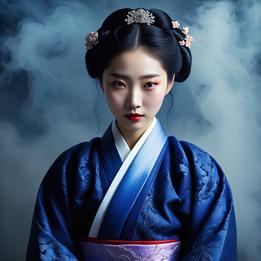
Hanbok
The hanbok is a traditional Korean garment that symbolizes cultural heritage, identity, and the beauty of Korean aesthetics, often worn during significant celebrations and rituals.
Hanbok Dream Meaning
The hanbok is a traditional Korean garment that symbolizes cultural heritage, identity, and the beauty of Korean aesthetics, often worn during significant celebrations and rituals.
Interpretive Themes
Cultural Identity
highWearing a hanbok signifies pride in cultural background and traditions.
Celebration
mediumOften worn during festivals, weddings, and national holidays.
Beauty and Aesthetics
highThe vibrant colors and intricate designs emphasize artistic values.
Tradition
highTies to family history and generational wisdom.
Spiritual Connection
mediumReflects spiritual values and respect for ancestors.
Mythological Resonance
Dangun
KoreanThe mythical founder of Gojoseon, the first Korean kingdom, is depicted in royal robes that evolved into hanbok, symbolizing the divine-human connection and cultural genesis.
Peplos
GreekThe ceremonial robe (peplos) woven for Athena during the Panathenaic Festival, representing civic identity, ritual renewal, and the weaving of communal fate, parallel to hanbok's cultural role.
Cultural Lenses
East Asian Perspective
View Context →Traditionally worn during significant life events and cultural celebrations. Integral to weddings, festivals, and national holidays. [Korean] A symbol of cultural continuity and heritage.
East Asian Perspective
View Context →Similar traditional garments exist in many Asian cultures, highlighting regional expressions. Worn during cultural festivities and rites of passage. [Asian Cultures] Emphasizes the importance of cultural roots across Asian societies.
East Asian Perspective
View Context →Similar traditions in garment usage for ceremonies. Worn during spiritual ceremonies and festivities. [Buddhist] Connects wearers to their spiritual practices and community.
Historical Authorities
Want a deeper analysis?
Get a personalized interpretation of your entire dream including this symbol.
Interpret My DreamThe Oracle's Prediction
Combine multiple symbolsA reconnection with family or cultural roots that brings profound emotional healing.
Timeframe
Seasonal (~3 Months)
Intensity
Deep
A ritual or ceremony will enter your life, offering deep belonging.
Timeframe
Lunation (~29 Days)
Intensity
Deep
Common Appearances & Contexts
| Context | Emotion | Interpretation |
|---|---|---|
| Context Wearing a hanbok at a wedding | Emotion Joyful | Interpretation Celebrates union and cultural heritage. |
| Context Seeing others in hanbok during a festival | Emotion Proud | Interpretation Reflects collective cultural pride and unity. |
| Context Struggling to wear a hanbok properly | Emotion Anxious | Interpretation Represents feelings of being disconnected from cultural roots or identity. |
| Context Dancing in a hanbok | Emotion Exuberant | Interpretation Encapsulates joy and the exuberance of cultural expression. |
| Context Alterations being made to an old hanbok | Emotion Nostalgic | Interpretation Represents revisiting one's past and heritage. |
| Context Choosing colorful fabric for a hanbok | Emotion Creative | Interpretation Indicates exploration of personal identity and self-expression. |
| Context Receiving a hanbok as a gift | Emotion Touched | Interpretation Symbolizes acceptance and acknowledgement of one’s cultural lineage. |
| Context Wearing a hanbok in a modern setting | Emotion Conflicted | Interpretation Reflects the balance between tradition and modernity. |
| Context Admiring hanbok designs in a store | Emotion Inspired | Interpretation Indicates a desire to connect with and celebrate cultural heritage. |
| Context Participating in a traditional ceremony in hanbok | Emotion Respectful | Interpretation Represents reverence for traditions and cultural rituals. |
Interpret Your Full Dream
Beyond this symbol, every dream carries a unique story. Share your dream for a personalized AI-powered interpretation.