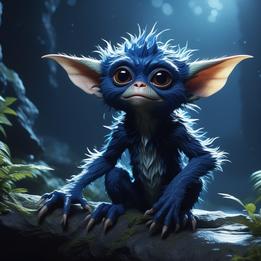
Gremlin Mischief Dream Meaning
Gremlins represent chaos and mischief, often attributed to unexpected disruptions.
Common Appearances & Contexts
| Context | Emotion | Interpretation |
|---|---|---|
| Gremlins sabotaging a project | Frustration | Indicates feelings of being overwhelmed by small problems accumulating. |
| Playing with gremlins | Amusement | Symbolizes a lighthearted approach to life’s challenges. |
Interpretive Themes
Cultural Lenses
Global/Universal Perspective
Full Hub →Cross-culturally represents chaotic, unseen forces disrupting order. Historically linked to trickster archetypes in folklore worldwide, often embodying nature's unpredictability. Ritually appeased to prevent misfortune. Emotionally evokes anxiety about uncontrollable disruptions.
Jungian Perspective
Full Hub →Shadow aspect manifesting repressed mischievous impulses. Symbolizes the trickster archetype challenging ego's control. Historically tied to alchemical homunculi. Ritually integrated through active imagination. Emotionally connects to creative chaos versus rigid order.
East Asian Perspective
Full Hub →Resembles Japanese yōkai or Chinese yaoguai causing household disturbances. Historically documented in Edo-period scrolls depicting tsukumogami. Ritually warded with ofuda charms. Emotionally reflects anxiety about neglected objects gaining malicious intent.
South Asian Perspective
Full Hub →Parallels bhuta or preta causing minor hauntings in Hindu/Buddhist traditions. Historically mentioned in Sanskrit texts as vetalas. Ritually pacified with puja offerings. Emotionally represents karmic disturbances from improper rituals or unresolved attachments.
Middle Eastern Perspective
Full Hub →Similar to jinn manifestations in Islamic tradition, particularly ifrit causing petty disruptions. Historically referenced in One Thousand and One Nights. Ritually protected against with Quranic verses. Emotionally signifies testing of faith through minor tribulations.
European Perspective
Full Hub →Derives from Germanic kobolds and British folklore gremlins sabotaging machinery. Historically popularized by WWII pilots blaming engine failures. Ritually avoided by following superstitions. Emotionally embodies technological anxiety and industrial age fears.
African Perspective
Full Hub →Echoes trickster spirits like Anansi or Aziza among Akan and Yoruba traditions. Historically oral tales of nature spirits testing humans. Ritually managed through divination. Emotionally represents life's necessary disruptions for growth and wisdom.
North American Perspective
Full Hub →Blends Indigenous trickster figures (Coyote/Raven) with immigrant folklore. Historically evolved through frontier tales of mysterious mishaps. Ritually addressed in some Native ceremonies. Emotionally reflects cultural hybridity and adaptation struggles.
Latin American Perspective
Full Hub →Relates to duende in Hispanic folklore causing household chaos. Historically blended Indigenous and Spanish supernatural beliefs. Ritually warded with religious icons. Emotionally expresses tensions between colonial order and persistent ancestral spirits.
Modern Western Perspective
Full Hub →Popularized by 1980s horror-comedy film, now symbolizes technological glitches and systemic failures. Historically reflects post-industrial anxiety. Ritually referenced in IT culture blaming "gremlins" for bugs. Emotionally represents helplessness against complex systems.
Freudian Perspective
Full Hub →Manifestation of repressed childhood rebellious urges against authority. Symbolizes id impulses sabotaging superego's control. Historically linked to anal-stage fixation. Ritually analyzed through free association. Emotionally connects to guilt over suppressed mischief.
Gestalt Perspective
Full Hub →Projection of one's own disruptive tendencies onto external forces. Represents disowned aspects of personality causing chaos. Historically part of dreamwork techniques. Ritually integrated through empty chair dialogue. Emotionally reveals avoidance of personal responsibility.
Cognitive Perspective
Full Hub →Brain's attempt to process random neural activity during REM sleep, pattern-matched to cultural gremlin concepts. Historically explained by activation-synthesis theory. Ritually irrelevant. Emotionally neutral unless waking concerns attach meaning.
Evolutionary Perspective
Full Hub →Cognitive adaptation for detecting agency in ambiguous events, enhancing survival through hyper-vigilance. Historically advantageous for identifying predators or social threats. Ritually manifests in threat-detection dreams. Emotionally primes anxiety response to potential dangers.
Interpret Your Full Dream
Beyond this symbol, every dream carries a unique story. Share your dream for a personalized AI-powered interpretation.