The Shankha Myth Meaning & Symbolism
A sacred conch, born from the primordial ocean, whose sound is the first vibration of order, victory, and the divine call to consciousness.
The Tale of The Shankha
In the time before time, when the cosmos was a silent, unformed sea, a great weariness fell upon [the world](/myths/the-world “Myth from Tarot culture.”/). The Devas, the shining ones, were weakened, their light dimmed by a curse. The Asuras, the mighty titans of power, ruled with unchecked force, yet they too were hollow, craving an immortality that eluded their grasp. The universe held its breath, suspended between order and chaos, life and oblivion.
A council was called on the shores of the causal ocean, the Karana Samudra. The great preserver, [Vishnu](/myths/vishnu “Myth from Hindu culture.”/), whose eyes hold the patience of eternity, spoke. His voice was the first ripple on still waters. “[The ocean of milk](/myths/the-ocean-of-milk “Myth from Hindu culture.”/),” he said, “holds the nectar of immortality, the Amrita. But it lies hidden beneath depths of poison and treasure. It must be churned.”
Thus began the [Samudra Manthan](/myths/samudra-manthan “Myth from Hindu culture.”/). The mountain Mandara was uprooted to be the churn. The king of serpents, Vasuki, consented to be the rope. The Devas held his tail, the Asuras his head, and with a groan that shook the foundations of space, they began to pull. Back and forth, for an aeon, the mountain spun. The ocean frothed and roared, a tempest of potential.
First came the deadly poison, Halahala, threatening to end all things. Then, wonders began to rise from the depths. The wish-fulfilling cow, [the moon](/myths/the-moon “Myth from Tarot culture.”/), the goddess of wine. The air grew thick with anticipation and the sweat of celestial labor. And then, from the very heart of the tumult, with a sound that was not yet a sound, it emerged.
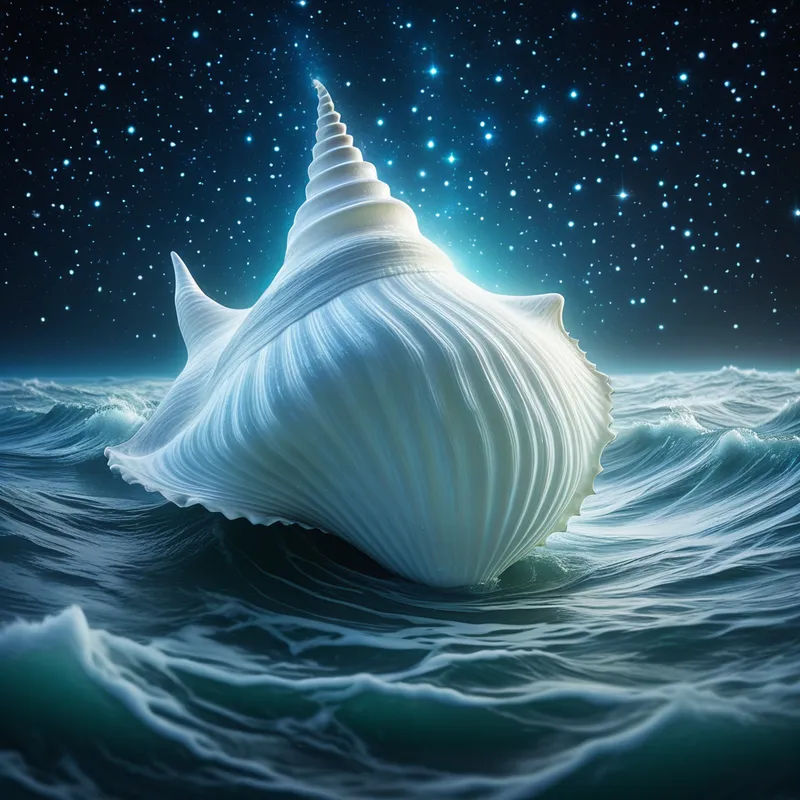
It was not like the other treasures. It was not a gem or a being. It was a form of pure resonance. A magnificent conch shell, whorled and perfect, carved from the essence of sound itself. It glowed with a soft, [inner light](/myths/inner-light “Myth from Buddhist culture.”/), the color of dawn on a [pearl](/myths/pearl “Myth from Chinese culture.”/). It did not float; it presenced itself upon the waves. This was Panchajanya, the [Shankha](/myths/shankha “Myth from Hindu culture.”/) born of [the five elements](/myths/the-five-elements “Myth from Chinese culture.”/).
All action ceased. The churning stopped. In that suspended silence, Vishnu reached forth and took the conch. He raised it to his lips. And then—he blew.
The sound that issued forth was the universe remembering its name. It was not loud, but profound. It was the first note of order, a vibrational sword that cut through the lingering chaos. It was the announcement of victory, not over the Asuras, but over the formless dark. It was the call to awake, to remember, to be. That sound, Omkara itself, echoed across the newly defined heavens, and the churning could begin anew, now with purpose. The Shankha had spoken, and the world had found its voice.
Cultural Origins & Context
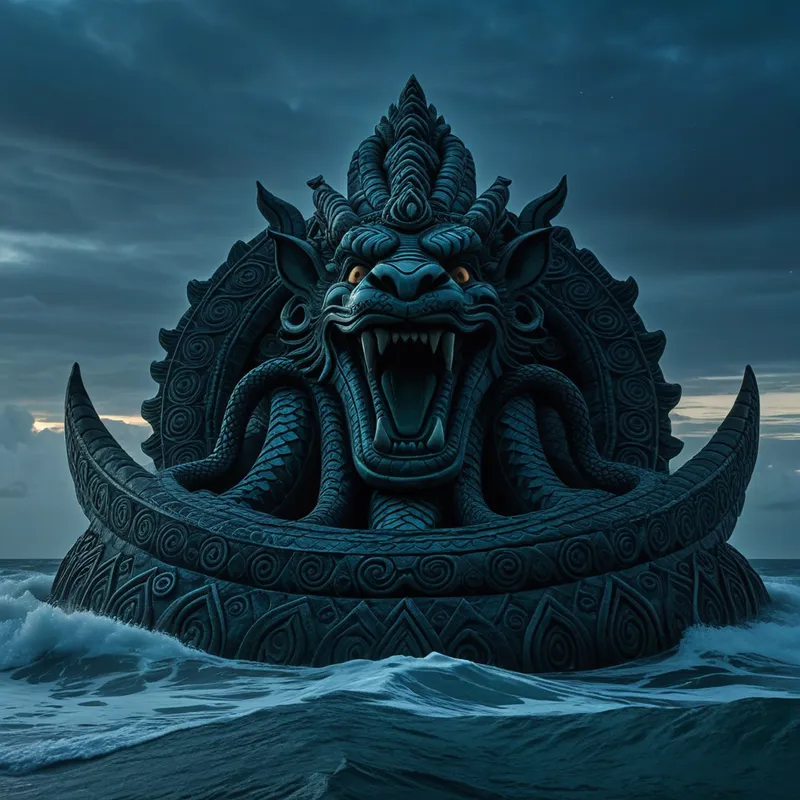
The myth of the Shankha’s birth is woven into the grand narrative of the Samudra Manthan, a foundational story detailed in texts like the Mahabharata, the Vishnu Purana, and the Bhagavata Purana. This was not merely a tale of gods and demons but a cosmic allegory recited by sages and bards to explain the very process of creation and the extraction of divine qualities from the chaotic soup of existence.
In ancient and classical Hindu society, the Shankha transcended myth to become a vital ritual object. Its sound marked the beginning and end of sacred ceremonies, the commencement of battles, and the coronation of kings. Blown by priests in temples and by warriors on chariots, it was a tangible thread connecting the earthly realm to the divine order established in the myth. Its presence signified purity, auspiciousness, and the authority of Dharma. The myth provided the sacred provenance for this object, transforming a seashell into a vessel of the primordial word.
Symbolic Architecture
The Shankha is a [universe](/symbols/universe “Symbol: The universe symbolizes vastness, interconnectedness, and the mysteries of existence beyond the individual self.”/) in miniature, a symbolic [architecture](/symbols/architecture “Symbol: Architecture in dreams often signifies structure, stability, and the framing of personal identity or life’s journey.”/) of profound [depth](/symbols/depth “Symbol: Represents profound layers of consciousness, hidden truths, or the unknown aspects of existence, often symbolizing introspection and existential exploration.”/). Its spiral form mirrors the cosmic spirals of galaxies and the [inward](/symbols/inward “Symbol: A journey toward self-awareness, introspection, and the exploration of one’s inner world, thoughts, and unconscious mind.”/) curl of the [human](/symbols/human “Symbol: The symbol of a human represents individuality, complexity of emotions, and social relationships.”/) ear. It represents the unfolding of creation from a single, silent point—the apex of the [shell](/symbols/shell “Symbol: Shells are often seen as symbols of protection, transition, and the journey of personal growth.”/)—into the manifest, resonant world of its open mouth.
It is the container of potential sound, the womb of the sacred word, waiting for the breath of spirit to give it life and direction.
Psychologically, the Shankha symbolizes the structured, organizing principle of [consciousness](/symbols/consciousness “Symbol: Consciousness represents the state of awareness and perception, encompassing thoughts, feelings, and experiences.”/) itself. The churning [ocean](/symbols/ocean “Symbol: The ocean symbolizes the vastness of the unconscious mind, representing deeper emotions, intuition, and the mysteries of life.”/) is the tumultuous, unconscious [psyche](/myths/psyche “Myth from Greek culture.”/), teeming with both poison ([shadow](/symbols/shadow “Symbol: The ‘shadow’ embodies the unconscious, repressed aspects of the self and often represents fears or hidden emotions.”/), [trauma](/symbols/trauma “Symbol: A deeply distressing or disturbing experience that overwhelms the psyche, often manifesting in dreams as unresolved emotional wounds or psychological injury.”/)) and nectar (potential, wholeness). The arduous process of churning is the difficult work of introspection and engagement with our [depths](/symbols/depths “Symbol: Represents the subconscious, hidden emotions, or foundational aspects of the self, often linked to primal fears or profound truths.”/). The Shankha is the first great [treasure](/symbols/treasure “Symbol: A hidden or valuable object representing spiritual wealth, inner potential, or divine reward.”/) to emerge—the [birth](/symbols/birth “Symbol: Birth symbolizes new beginnings, transformation, and the potential for growth and development.”/) of a coherent [inner voice](/symbols/inner-voice “Symbol: A spiritual or subconscious guide representing intuition, conscience, or higher self, often seen as a connection to divine wisdom or ancestral knowledge.”/), a personal [authority](/symbols/authority “Symbol: A symbol representing power structures, rules, and control, often reflecting one’s relationship with societal or personal governance.”/), and a symbolic tool that can define our psychic [space](/symbols/space “Symbol: Dreaming of ‘Space’ often symbolizes the vastness of potential, personal freedom, or feelings of isolation and exploration in one’s life.”/). It is not the final goal (the Amrita), but the essential [instrument](/symbols/instrument “Symbol: An instrument symbolizes creativity, communication, and the means by which one expresses oneself or influences the world.”/) needed to achieve it. Its sound is the call of [the Self](/myths/the-self “Myth from Jungian culture.”/), cutting through inner [chaos](/symbols/chaos “Symbol: In Arts & Music, chaos represents raw creative potential, uncontrolled expression, and the breakdown of order to forge new artistic forms.”/) and announcing the possibility of [integration](/symbols/integration “Symbol: The process of unifying disparate parts of the self or experience into a cohesive whole, often representing psychological wholeness or resolution of internal conflict.”/).
The Dreamer’s Resonance
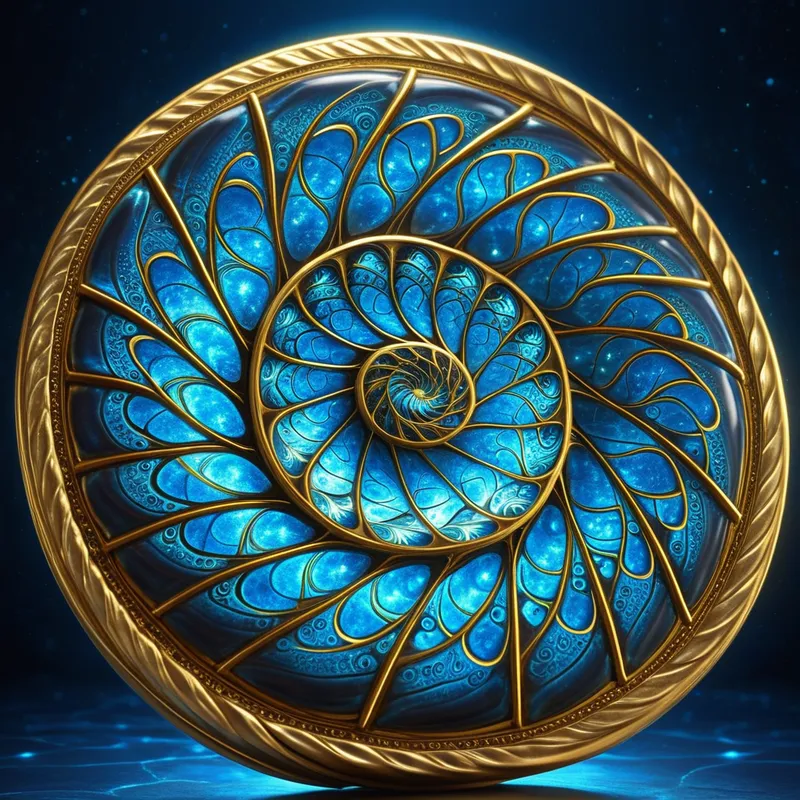
When the Shankha appears in a modern dream, it rarely manifests as a literal conch shell. More often, it is felt as a profound, resonant sound that wakes the dreamer within the dream, or seen as a spiraling vortex of light or [water](/myths/water “Myth from Chinese culture.”/). It may appear as a sacred object in a mundane setting, glowing with inexplicable importance.
Such a dream signals a critical moment in the dreamer’s psychological process. The somatic experience is often one of a deep, vibrational shift—a feeling of being “sounded” to the core. Psychologically, this indicates that a long period of inner turmoil or confused striving (the churning) is beginning to crystallize into a new, authentic form of expression or self-understanding. The dream-Shankha announces the emergence of a personal truth or a clarifying principle from the unconscious. It is the psyche’s own call to order, heralding the need to find one’s voice, to set boundaries (the victory over chaos), or to consciously begin a new, more aligned phase of life. The dream may leave a lingering sense of awe and solemnity, a feeling of having witnessed something sacred being born from struggle.
Alchemical Translation
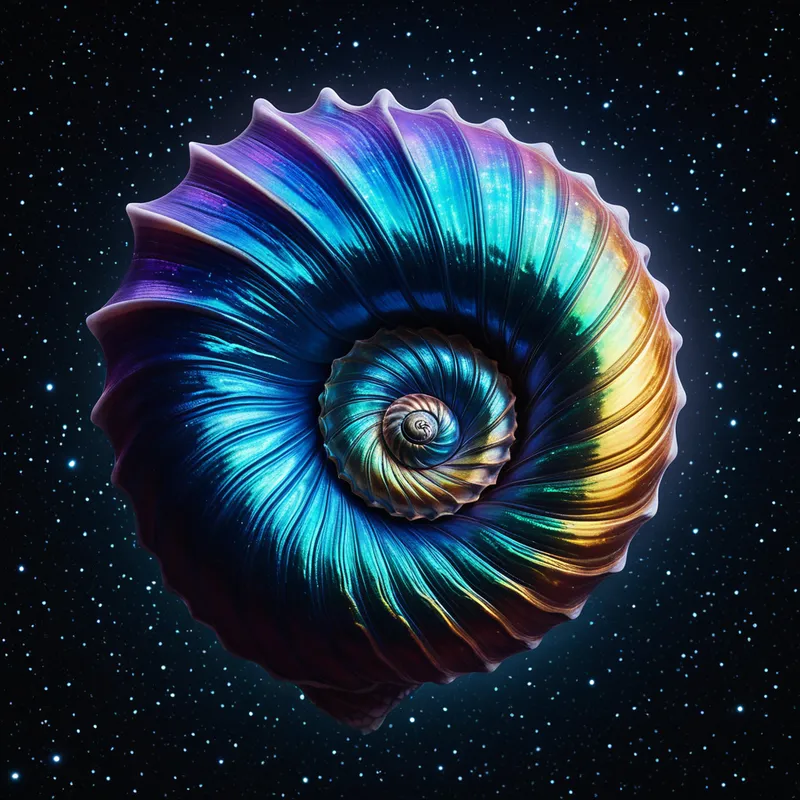
The alchemical journey modeled by the Shankha myth is the transmutation of chaotic experience into resonant identity. Our lives are the Karana Samudra, a sea of undifferentiated events, emotions, and potentials. The work of individuation is the Samudra Manthan—the deliberate, often exhausting engagement with this inner ocean, stirring up both our poison (our repressed wounds, fears, and angers) and our latent treasures.
The Shankha is the first major creation of this inner work: the formation of a personal symbol, a core belief, or a unique talent that becomes our tool for navigating the world.
For the modern individual, forging the “inner Shankha” means developing the capacity to give voice to one’s truth. It is the alchemical process of taking the raw material of life’s churning—the successes, failures, joys, and despairs—and shaping it into a coherent narrative, a personal philosophy, or a creative expression that carries authority. Blowing this Shankha is the act of living from that integrated center. Its sound scatters inner demons of doubt and external chaos, not through force, but through the authentic vibration of a self that has been earned, not inherited. The myth teaches that before we can claim the nectar of immortality—the feeling of timeless, inner wholeness—we must first create the instrument that can call it forth. We must become [the vessel](/myths/the-vessel “Myth from Alchemical culture.”/) that holds, and then voices, the sacred sound of our own becoming.
Associated Symbols
Explore related symbols from the CaleaDream lexicon: