The Roman festival of Saturnal Myth Meaning & Symbolism
A sacred time of chaos and inversion, where masters serve slaves, rules dissolve, and the raw spirit of Saturn's Golden Age is briefly resurrected from the depths.
The Tale of The Roman festival of Saturnal
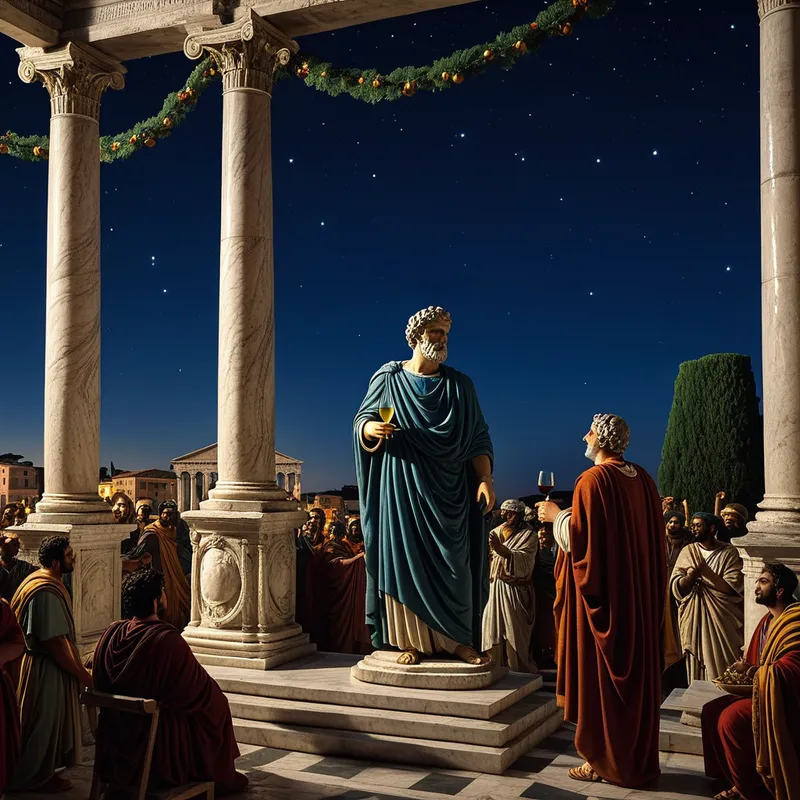
Hark, and listen to the turning of the year, when the sun flees and the world holds its breath in the longest night. In the heart of Rome, a profound silence falls—but it is not a silence of emptiness. It is the pregnant pause before a great exhalation. The temples are closed, the courts are stilled, the stern face of law is veiled. For now, the bonds are loosened.
From the Forum to the smallest insula, a single cry rises, ragged and joyous: “Io, Saturnalia!” The shout is a key, turning in a lock buried deep in time. It unlocks the Temple of Saturn, and within, the woolen bonds that have fettered the god’s cult statue all year are ceremonially untied. With this unshackling, a spirit floods the seven hills—not of a distant, judging Olympian, but of old Saturnus himself, the deposed king of a forgotten age.
And what was that age? It was a time before “mine” and “thine,” before master and slave, before the heavy tread of the legion’s boot. It was the Golden Age, where the earth gave freely and all men were equal in a perpetual spring. This is the ghost that Rome, in all its ordered, stratified glory, invites back for seven days.
Watch now, as the world turns upside down. The paterfamilias, the absolute ruler of his household, lays aside his toga of authority. He dons the pilleus, the felt cap of the freedman. He prepares the feast. And then, he serves it. He serves it to his slaves, who recline on the couches he usually occupies. They wear his clothes, they jest with him without fear of the lash, they command him in games of chance. Their voices, so often muted, ring loud with laughter and command. “Io!” they cry, and he must obey.
The city becomes a cacophony of sanctioned chaos. Gambling, forbidden on other days, echoes in every street. Masters become servants, servants become kings. Gifts of wax candles and small clay figurines, tokens of light and humanity, pass from hand to hand. Evergreen boughs—sapinae—are hung, defying winter’s death. A Lord of Misrule, the Saturnalicius princeps, is crowned, his rule absurd and fleeting. For these sacred days, the intricate, crushing pyramid of Roman society is not destroyed, but inverted. The base becomes the apex, and the apex, with a mixture of unease and relief, tastes the earth.
Then, as the seventh day wanes, the shouts of “Io!” grow softer. The felt caps are doffed. The bonds of wool are taken from the temple treasury, ready to be wrapped once more around the limbs of Saturn’s effigy. The slaves return to their quarters, the masters resume their togas. The courts reopen, the legions march, the world of mos maiorum—the way of the ancestors—reasserts itself. But the air is different. Something has been released. Something has been acknowledged. The ghost of the Golden Age, having been fed with laughter and liberty, retreats back into the shadowed temple, sated for another year. The world turns right-side up again, but it has been cleansed by its topsy-turvy dream.
Cultural Origins & Context
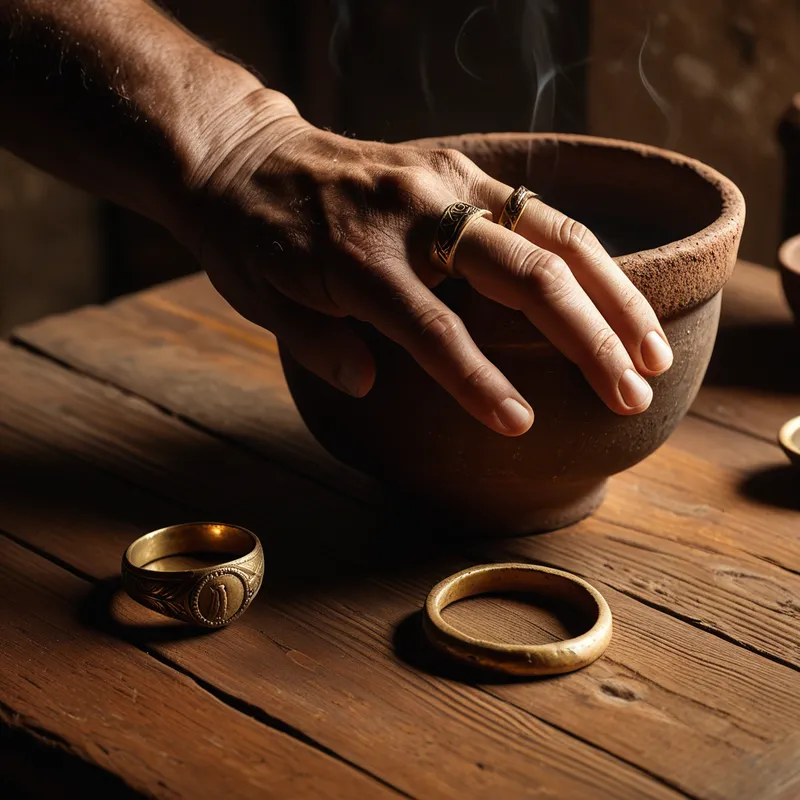
The Saturnalia was not a mere “party”; it was a fundamental release valve embedded in the rigid structure of the Roman Republic and later, the Empire. Its origins are archaic, likely predating the city itself, rooted in rustic agricultural rites marking the winter solstice and the completion of the autumn sowing. It was a festival for the common people (feriae publicae), but its influence permeated every level.
The myth it enacted was historical and theological. Saturn (Kronos in the Greek synthesis) was a complex figure: a god of seed and sowing, but also a deposed monarch of a blissful, pre-civilized past. The festival served a critical societal function: it temporarily dissolved the tensions inherent in a slave-owning, highly hierarchical society. By ritually inverting the social order, it paradoxically reinforced it. The slave given a taste of freedom was, in theory, less likely to seek it permanently through revolt. The master, by experiencing servitude, was reminded of the humanity of those he commanded.
It was passed down not as a single story written by a bard, but as a lived, annual tradition—a collective story acted out by an entire civilization. Every Roman, from senator to slave, was both audience and participant in this myth. Writers like Macrobius later cataloged its customs, but the myth was in the doing, in the shouting of “Io!” and the passing of the wine from a senator’s hand to a cobbler’s cup.
Symbolic Architecture
At its core, Saturnalia is a ritual of contained eruption. It symbolizes the necessary and sacred return of the repressed.
The shadow must be given a feast, lest it storm the gates.
The rigid, daylight consciousness of Roman law and order (SPQR) consciously makes space for its opposite: chaos, equality, instinct, and play (the spirit of Saturn’s Golden Age). The pilleus (freedman’s cap) is more than a costume; it is a symbol of latent liberty residing within every bound person or psyche. The master serving the slave is a profound image of the ego serving the unconscious—the recognized ruler acknowledging the power of the inner “slave,” the repressed drives, talents, and instincts it has subjugated.
The festival is a temporary enantiodromia—a Jungian term for the emergence of the unconscious opposite. The strict ruler archetype is overthrown by the jester. The binding wool represents all that constricts: social roles, personal inhibitions, the super-ego’s harsh demands. Their loosening allows for a psychic reset. The gifts of candles (cerei) and figurines (sigillaria) are exchanges of soul—offerings of light and humanity across the internal divide.
The Dreamer’s Resonance
When the Saturnalia pattern stirs in the modern dreamer, it signals a profound somatic and psychological pressure for inversion. This is not a call for mere vacation, but for revolution within the psyche.
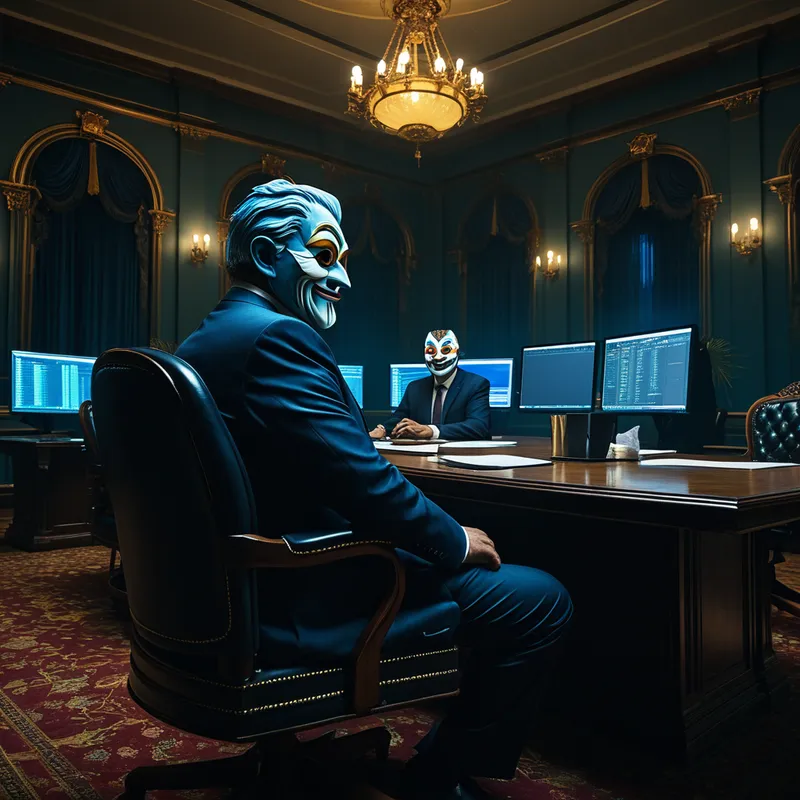
One might dream of being forced to serve a subordinate at work, or of a grandiose, formal setting suddenly erupting into childish play. The dream ego may find itself wearing absurd clothing in a serious boardroom, or hear a voice shouting a nonsense word (“Io!”) that somehow carries ultimate authority. These dreams point to a life that has become too ordered, too one-sided. The inner “slave”—perhaps one’s creativity, one’s body, one’s capacity for simple joy—is in revolt, demanding its annual feast. The somatic feeling is often one of pent-up energy seeking chaotic release, a laughter that borders on hysteria, or a deep, bodily fatigue from upholding a rigid persona.
The dream is the psyche’s attempt to perform its own Saturnalia, to crown a Saturnalicius princeps (a foolish, instinctual impulse) as king for a night, to allow the shadow to wear the ego’s clothes. It is a process of rebalancing through controlled chaos, where the neglected parts of the self demand to be served at the table of consciousness.
Alchemical Translation
The alchemical journey mirrored in Saturnalia is the solutio followed by the coagulatio. It is the model for psychic transmutation through deliberate, ritualized disintegration.
The modern individual, identified wholly with their role (the CEO, the caregiver, the responsible adult), undergoes a psychic Saturnalia by consciously inverting their own hierarchy. This is the practice of shadow integration. It means allowing the “inferior” function—the thinker feeling, the feeler thinking, the sensor intuiting, the intuitor sensing—to take the lead. It is the executive who spends a weekend building messy clay sculptures, the therapist who allows themselves to be irrational and vulnerable, the disciplined athlete who indulges in frivolous play.
The bonds of persona are loosened not to destroy the self, but to prevent its petrification.
This sacred, self-administered chaos is the catalyst for renewal. By serving the inner “slave,” the ego does not abdicate; it is humbled and expanded. It learns that its authority is not absolute, but part of a greater ecology of the self. The “evergreen boughs” hung in the psyche are the enduring values that survive the inversion—not the rigid roles, but the core humanity beneath them. After the festival of the self, the bonds of responsibility can be retied, but they are no longer shackles. They are conscious choices, retied around a god—a core self—that has been liberated, acknowledged, and fed. The individual returns to the world of duty, but they do so having tasted the freedom of their own Golden Age, carrying its liberating spirit within the very structure of their renewed life.
Associated Symbols
Explore related symbols from the CaleaDream lexicon: