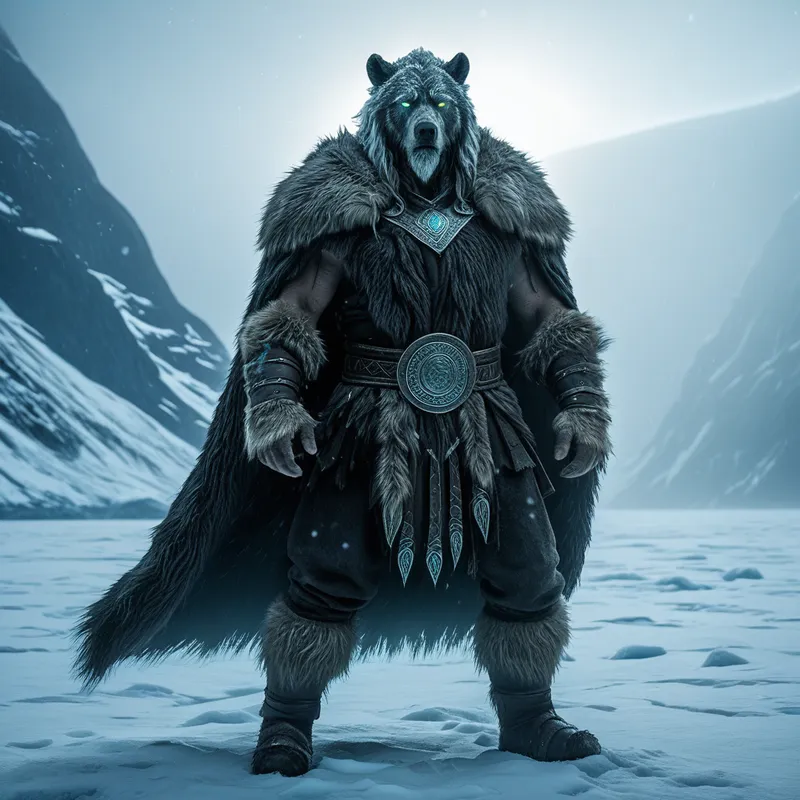
The Norse berserkers Myth Meaning & Symbolism
Warriors who channeled the bear's spirit, entering a sacred, uncontrollable fury that dissolved the boundary between man, beast, and god.
The Tale of The Norse berserkers
Hear now of the men who wore no mail, who walked into the storm of iron and emerged unscathed. They did not come to the field of slaughter as other men. They came as vessels for a force older than the gods of Asgard.
Before the clash, in the grey dawn, you would find them apart. They gathered in a sacred grove or behind a screen of shields, a brotherhood of twelve. A silence would fall, deeper than the forest’s hush. No boastful speeches, only the low, guttural chant that was not quite a song, more the grinding of stone deep in the earth. They would work themselves into a state, biting the rims of their painted shields until the wood splintered, their eyes seeing not the trees around them but some inner, boiling landscape.
Then, the hamingja—the fetch-spirit—would descend. Some said it was the spirit of the bear, the berserkr, that entered them. Others whispered of Odin himself, the god of the hanged and the mad, breathing the ódhr—the sacred, poetic fury—into their lungs. Their skin would flush hot, then grow strangely cold and tough, like boiled leather. Their eyes glazed over, seeing friend and foe as shapes in a red mist. A great trembling would take them, a chattering of teeth that echoed the gnashing of the world-serpent’s jaws.
And then they broke.
They erupted from their line with a roar that froze the blood of seasoned warriors. They fought with a terrible, reckless grace, immune to iron and flame, it was said. Swords glanced from their skin as if from stone. They used no strategy, only a pure, obliterating violence. In that state, they were no longer Gunnar or Bjorn; they were the fury of the wild made flesh, the chaos that Ragnarok would one day unleash, given temporary form to break a shield-wall. When the battle-lust finally left them, they would collapse, spent and weak as newborns, the terrible gift withdrawn, leaving only exhausted men and a field of the dead in their wake.
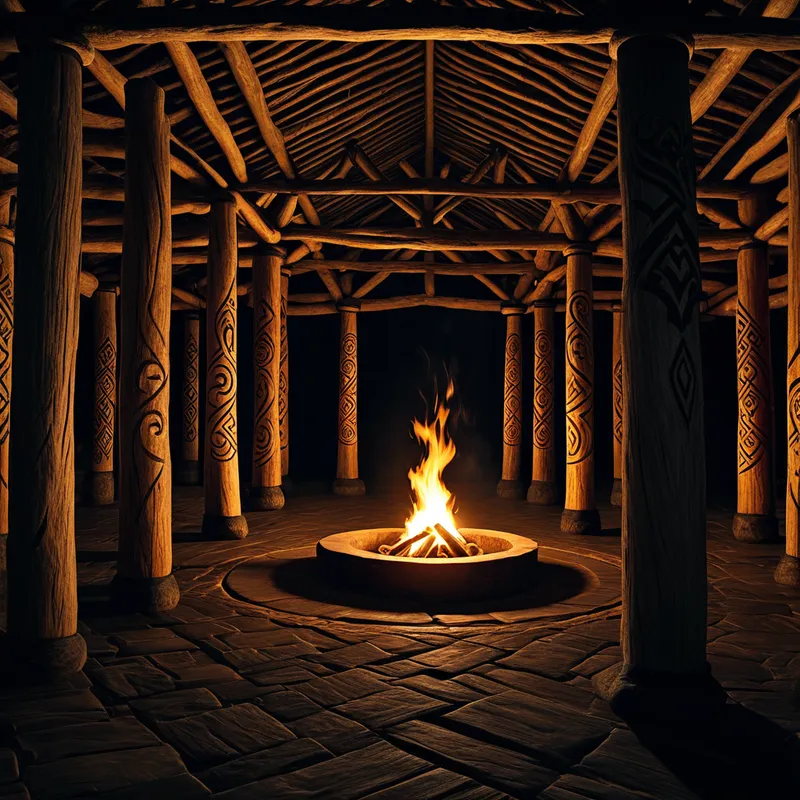
Cultural Origins & Context
The berserkers were not mere legend but a documented, if extreme, phenomenon within the Norse world, referenced in sagas like Ynglinga saga and Egils saga. They existed on the fraught boundary between elite warrior cult and social aberration. As part of the hirð of a powerful jarl or king, they were both prized weapons and dangerous liabilities.
Their practice was rooted in a pre-Christian, shamanic stratum of Germanic religion. The ability to shapeshift, to project one’s consciousness into an animal fetch (the fylgja), was a known concept. The berserker ritual was a deliberate, group-induced state of ecstatic possession, likely aided by psychoactive substances like the hallucinogenic mushroom Amanita muscaria or strong ale laced with henbane. They were the sacred madmen of Odin, the god who himself mastered the runes through a self-sacrificial frenzy on the Yggdrasil. In a society that valued self-control (drengskapr), the berserker represented its utter, temporary surrender to a divine force for the sake of the community’s survival. Yet, in the later, Christianized sagas, they are often portrayed as bullies and villains, their sacred fury stripped of its religious context and seen only as monstrous, uncontrollable violence.
Symbolic Architecture
At its core, the berserker myth is about the controlled—or sometimes uncontrolled—invocation of the Shadow. It is the ritualized eruption of the untamed, instinctual psyche into the ordered world of the ego.
The berserker does not fight with his arms; he becomes the battle itself. His triumph is a total surrender to the archetypal force that would otherwise destroy him.
The bear or wolf pelt is not a disguise but a symbol of total identification. The warrior seeks to become the animal’s raw power, its immunity to pity and its single-minded focus. This represents a psychological state where the individual’s personal identity is completely subsumed by a transpersonal, archetypal energy—the Warrior in its most primal, undifferentiated form. The famed “immunity to iron” is less a physical fact than a powerful symbolic truth: in the grip of this archetype, the petty wounds and fears of the personal self are rendered meaningless. The danger, as the sagas show, is that one may not return. The ego may be permanently dissolved, leaving only the beast.
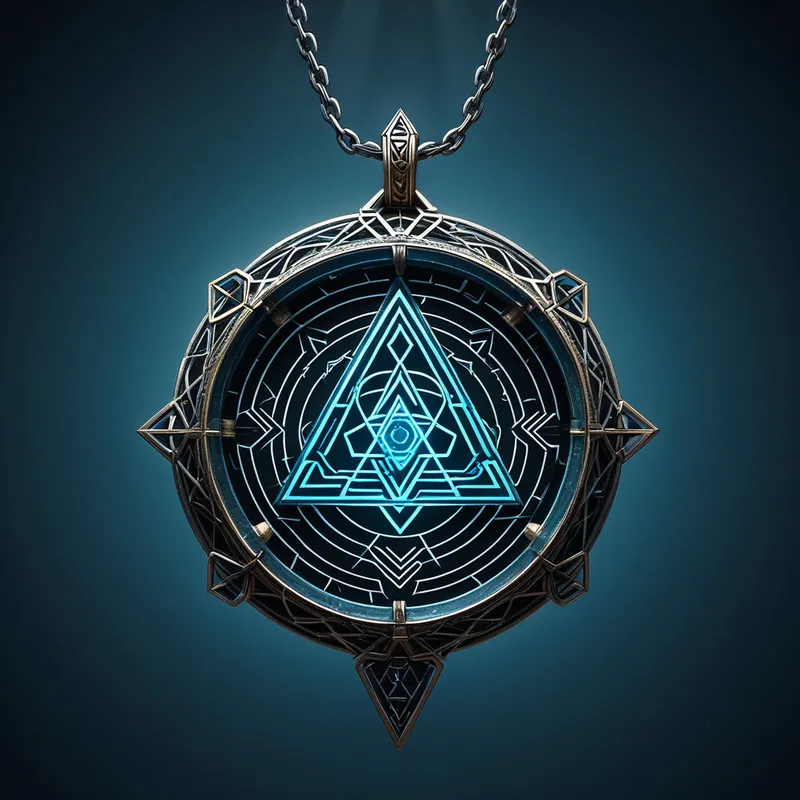
The Dreamer’s Resonance
To dream of the berserker state is to experience the psyche’s pressure valve releasing. It often manifests not as historical reenactment, but through modern metaphors: the dreamer, perhaps in a boardroom or family gathering, suddenly feeling an overwhelming, hot rage that threatens to obliterate all social constraints. They may feel their body changing, growing larger or covered in coarse hair. They may speak in growls or find themselves destroying objects with terrifying strength.
This dream signals a critical confrontation with repressed instinctual energy—anger, passion, or a raw will to power—that the conscious personality has too rigidly controlled. The somatic experience in the dream (the heat, the trembling, the roar) is the body’s memory of a fury that was never allowed expression. The dream is not a prescription to act out, but a profound message from the unconscious: a potent, life-giving force is trapped behind a dam of civility and is now threatening to break through. The psyche is forcing a recognition of one’s own latent, feral power.
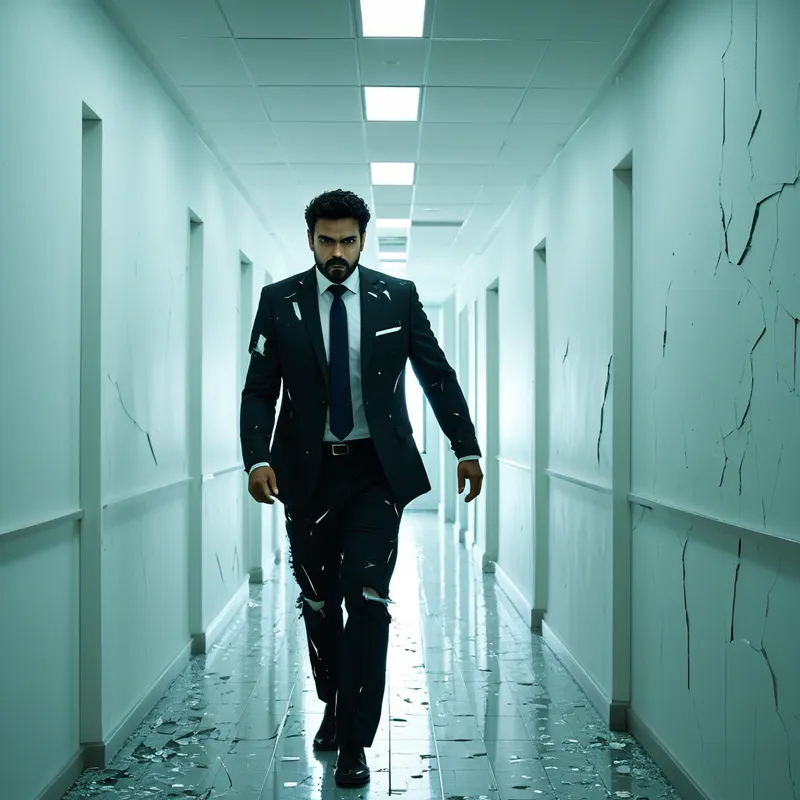
Alchemical Translation
The alchemical journey modeled by the berserker is the nigredo—the blackening, the descent into the chaotic, primal matter of the soul. It is the stage of mortificatio, where the old, controlled persona must “die” in a frenzy to make way for a more authentic integration.
The goal is not to live as the beast, but to retrieve the gold from its cave—to bring the raw, undifferentiated power back into the service of the conscious self.
The ritual—the chanting, the isolation, the deliberate induction of the state—is crucial. It represents the conscious ego’s terrifying but necessary pact with the Shadow. The modern individual’s “ritual” might be entering therapy, engaging in intense physical practice, or consciously venturing into creative madness, all with the intent of facing this inner fury. The key to successful psychic transmutation lies in the return. The berserker who collapses after the battle is the ego, weary but intact, having survived the inundation. The integration happens in that aftermath, in understanding the fury that was channeled. The individuated self does not deny the bear within; it learns its language, respects its power, and decides when—and if—to open the cage. It transforms blind possession into a sourced, formidable strength, achieving not mindless violence, but an unshakable authority born from having faced the totality of one’s own nature.
Associated Symbols
Explore related symbols from the CaleaDream lexicon: