The First Kangaroo Myth Meaning & Symbolism
A myth of a primordial being whose sacrifice of its arms and legs creates the kangaroo, establishing the law of reciprocity for all life.
The Tale of The First Kangaroo
In the time before time, when the world was soft and the Dreaming was still writing itself upon the land, there walked a being of great power and profound stillness. It was not yet kangaroo, and not quite human. It was a spirit ancestor, a Creator Being, moving through a landscape of red dust and shimmering heat. It walked on two strong legs and used two strong arms, and its eyes held the deep, patient knowledge of the earth.
But the land was hungry. The sun was a fierce eye, and the ground was parched. The plants were sparse, and the other creatures moved slowly, burdened by the weight of a world not yet fully born. The being felt this hunger in its own belly, a hollow echo of the land’s need. It sat by a dry creek bed, its fingers tracing patterns in the dust that would one day become songlines. A great conflict stirred within its spirit—the conflict between what it was and what the world needed it to become.
One day, as the heat reached its zenith and the very air seemed to crackle, the being stood. It looked at its own powerful arms, tools of grasping and holding. It looked at its sturdy legs, pillars of steadfast walking. A resolution, vast and terrible, settled in its heart. It would not just walk the land; it would become a part of its rhythm, its very breath.
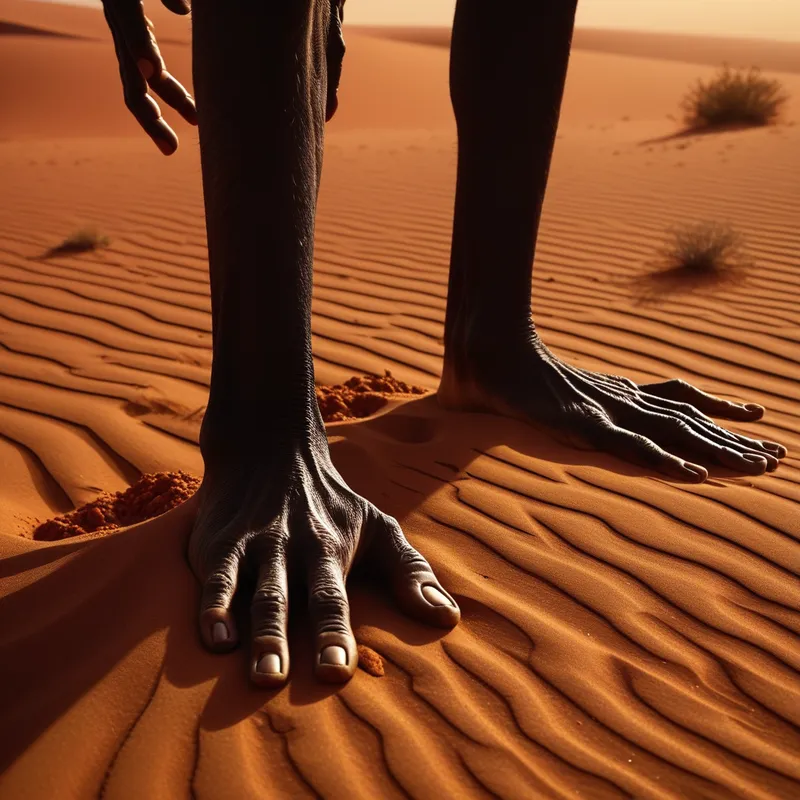
With a will that shifted the Dreaming itself, the being called upon the ancestral powers. It did not fight or scream. Instead, it offered. It pressed its hands deep into the red earth, and as it did, the flesh and bone receded, transforming into sleek, dark forepaws, delicate and meant for balance, not for grasping. Then, it thrust its feet into the ground. The bones lengthened, tendons sang with new tension, and mighty hind legs formed, built for immense, bounding leaps.
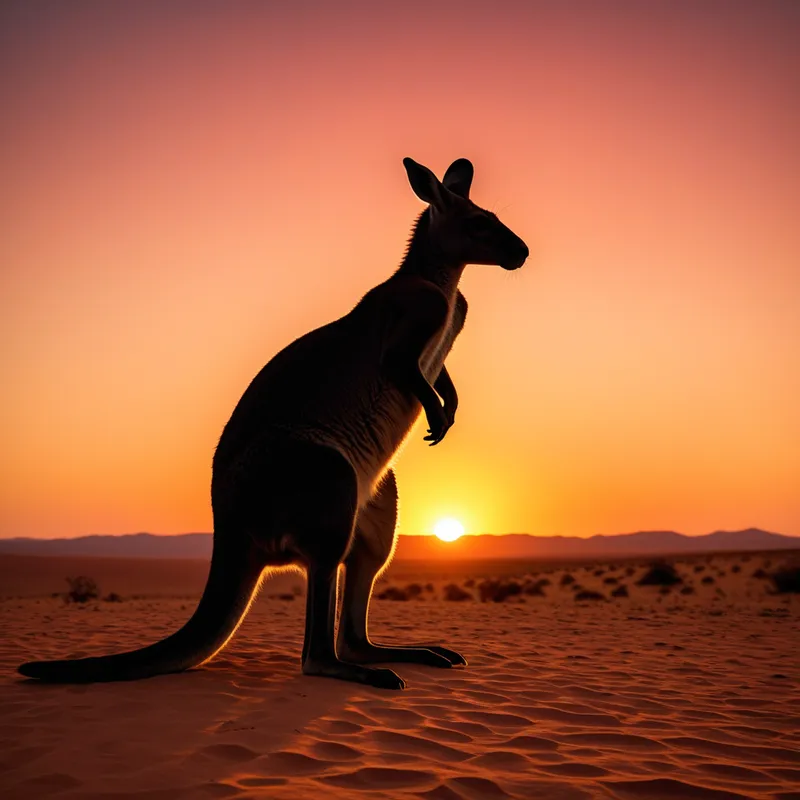
Where its arms and legs had been, a great, muscular tail grew, anchoring it to the earth, a third leg of immense power. The transformation was a silent storm. When it was done, the being—now the First Kangaroo—took a breath. It flexed its new form and, with a surge of energy it had never known, pushed off from the earth. It did not walk. It leapt. It flew over the ground, a living arc of grace and speed, covering vast distances in moments, stirring the air into a cool breeze for the first time.
Its great leaps created dips that would become waterholes. The rhythm of its landing shook seeds into the soil. It had sacrificed its old way of being, its old power, to gain a new one—a power of movement that served the land. It became the promise of swift travel, of endurance, of a life lived in dynamic balance with a vast continent. The law was set: to receive, one must first give of oneself.
Cultural Origins & Context
This myth, in its many localized forms across Aboriginal Australia, belongs to the foundational layer of the Dreaming or Tjukurrpa. It is not a mere story but a sacred narrative that encodes law, ecology, and identity. Traditionally, it is owned and transmitted by the kinship groups whose totem is the kangaroo. It would be told during specific ceremonies, often accompanied by song, dance, and intricate sand paintings, not as entertainment but as an act of spiritual maintenance and education.
Its societal function is multifaceted. It explains the origin of the kangaroo’s unique form and behavior, weaving natural history into sacred law. More importantly, it establishes a core principle of Aboriginal philosophy: reciprocal obligation. The kangaroo ancestor’s sacrifice for the land creates an eternal covenant. In turn, the people connected to the kangaroo totem have a sacred responsibility to care for kangaroo country and its species through ritual practice and sustainable hunting, ensuring the cycle of life continues. The myth is a map of responsibility, teaching that true power lies in adaptation and service to the greater web of life.
Symbolic Architecture
At its [heart](/symbols/heart “Symbol: The heart symbolizes love, emotion, and the core of one’s existence, representing deep connections with others and self.”/), the myth of the First Kangaroo is a profound [allegory](/symbols/allegory “Symbol: A narrative device where characters, events, or settings represent abstract ideas or moral qualities, conveying deeper meanings through symbolic storytelling.”/) for conscious, willful transformation. The primordial being represents a state of potential—a self-contained wholeness that is, paradoxically, insufficient for the needs of the living world.
The most profound sacrifices are not of what we have, but of what we are, to become what the world needs.
The sacrifice of the arms and [legs](/symbols/legs “Symbol: Legs in dreams often symbolize movement, freedom, and the ability to progress in life, representing both physical and emotional support.”/) is the relinquishment of a familiar, [human](/symbols/human “Symbol: The symbol of a human represents individuality, complexity of emotions, and social relationships.”/)-centric mode of engagement—grasping, manipulating, walking a [linear](/symbols/linear “Symbol: Represents order, predictability, and a direct, step-by-step progression. It symbolizes a clear path from cause to effect.”/) [path](/symbols/path “Symbol: The ‘path’ symbolizes a journey, choices, and the direction one’s life is taking, often representing individual growth and exploration.”/). The transformation into bounding leaps symbolizes a shift to a non-linear, dynamic, and holistic mode of being. It is the move from control to [rhythm](/symbols/rhythm “Symbol: A fundamental pattern of movement or sound in time, representing life’s cycles, emotional flow, and universal order.”/), from possession to [movement](/symbols/movement “Symbol: Movement symbolizes change, progress, and the dynamics of personal growth, reflecting an individual’s desire or need to transform their circumstances.”/), from [stability](/symbols/stability “Symbol: A state of firmness, balance, and resistance to change, often represented by solid objects, foundations, or steady tools.”/) to adaptive power. The powerful [tail](/symbols/tail “Symbol: A tail in dreams can symbolize instincts, connection to one’s roots, or the hidden aspects of personality.”/), a new feature born of the sacrifice, represents groundedness and balance achieved through [motion](/symbols/motion “Symbol: Represents change, progress, or the flow of life energy. Often signifies transition, personal growth, or the passage of time.”/), not in spite of it. The myth teaches that our greatest strengths often emerge from the conscious surrender of our former identities.
The Dreamer’s Resonance
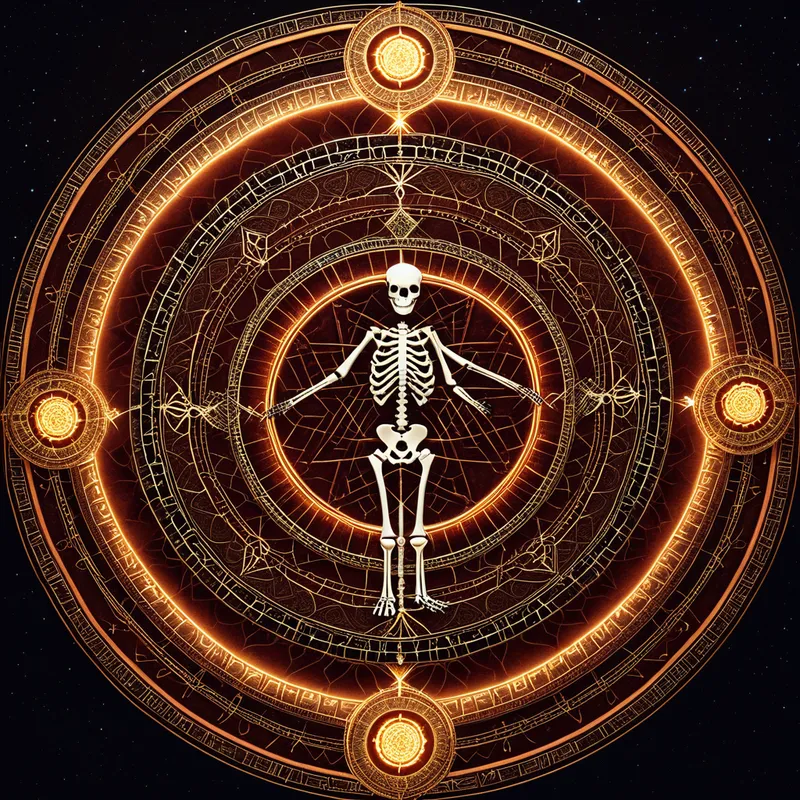
When this mythic pattern stirs in the modern dreamer, it often signals a profound somatic and psychological crossroads. To dream of losing limbs or having them transform may not be a nightmare of loss, but an unconscious processing of necessary sacrifice. The psyche is preparing to let go of an outdated way of “handling” the world (the arms) or a stuck, rigid way of standing in life (the legs).
Somatically, this can manifest as a feeling of restless energy in the legs, a desire to “leap” into a new situation, or a sense that one’s old tools and methods are becoming clumsy and ineffective. Psychologically, it is the process of ego adaptation. The dreamer may be clinging to an identity, a career, or a relationship model that, while familiar, limits their ability to traverse the new emotional and spiritual landscape they find themselves in. The dream is an invitation to consent to a metamorphosis, to trade controlled steps for powerful, directional leaps of faith, trusting that a new form of balance (the tail) will emerge from the act itself.
Alchemical Translation
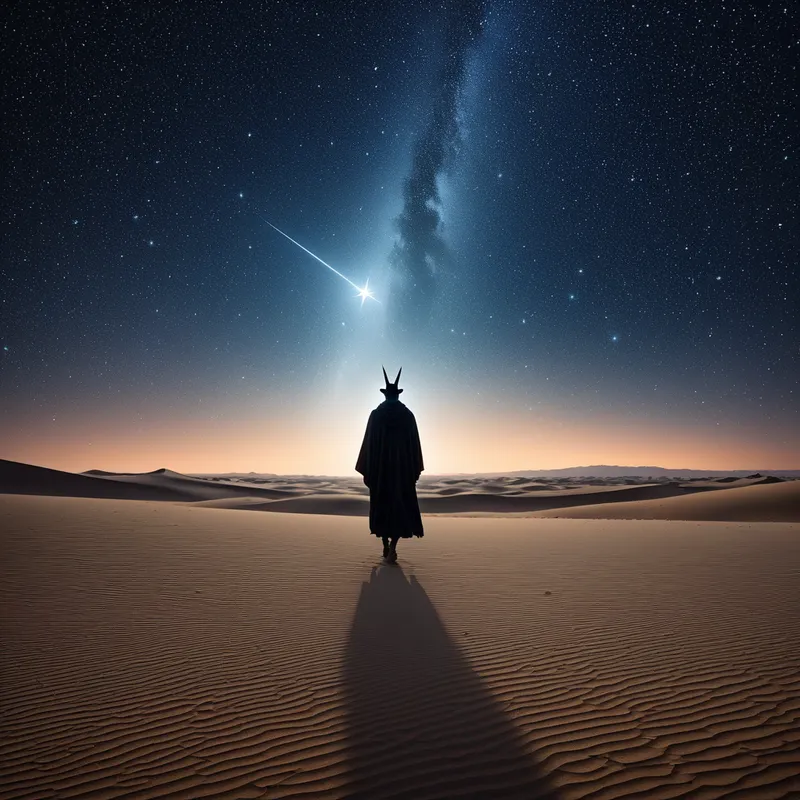
In the alchemical vessel of the individuation process, the myth of the First Kangaroo models the stage of mortificatio and sublimatio—the dying of the old form and the rising in a new, more liberated one. The conscious ego, represented by the humanoid ancestor, must willingly offer its most cherished capacities to the greater Self (the needs of the living land/psyche).
Individuation is not about becoming more of yourself, but about becoming what the totality of your being requires you to be.
The “arms” we sacrifice are our entrenched defenses, our manipulative strategies, our need to grasp and hold onto security. The “legs” are our rigid beliefs, our fixed positions, our predictable paths. The alchemical fire is the intense inner conflict and willingness to endure the heat of transformation. The result—the kangaroo—is the integrated personality that moves through life with powerful, adaptive leaps of consciousness. It does not walk the straight line of logic alone but bounds across the landscape of the soul, connecting distant inner territories (conscious and unconscious) with grace and efficiency. It embodies the law of psychic ecology: to gain true freedom and potency, one must first be bound by sacred obligation to the totality of one’s own being.
Associated Symbols
Explore related symbols from the CaleaDream lexicon:
- Sacrifice — The core act of the myth; the voluntary giving up of a prized form or function to enable a higher order of existence and service.
- Transformation — The fundamental process depicted, where one state of being is utterly and irrevocably changed into another, more fitting one.
- Earth — The receptive element into which the sacrifice is made and from which the new form draws its power and purpose; represents the grounding reality of the physical and psychic landscape.
- Journey — The myth encapsulates not a linear trek but a new mode of travel, emphasizing adaptive, bounding movement over vast inner and outer distances.
- Dream — The temporal and ontological plane in which this event occurs; the Dreaming is the realm of all such transformative potential.
- Root — Symbolic of the ancestral, original form that must be altered, and also of the deep connection to country that the transformation ultimately strengthens.
- Seed — The potential for new life and new law contained within the act of sacrifice, planted in the earth to sprout as a new way of being.
- Law — The eternal principle established by the myth: the covenant of reciprocal obligation between a being and its world.
- Original — Refers to the primordial, pre-transformation state of the ancestor, the template from which all subsequent change emanates.
- Adventurous Kangaroo — The final, realized form—a symbol of dynamic exploration, resilient travel, and energy-efficient mastery of one’s environment.