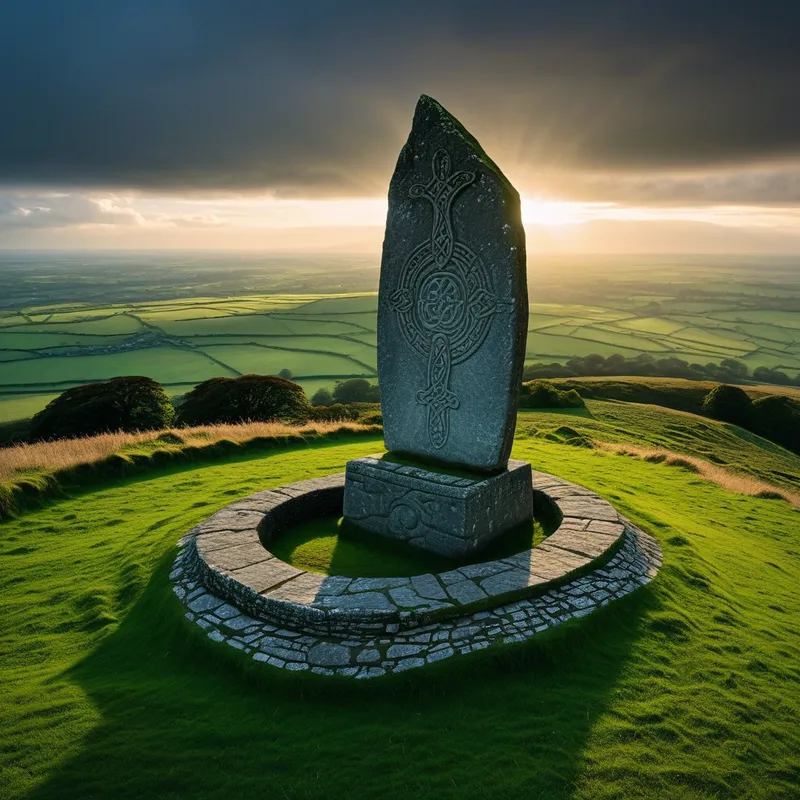
Stone of Fal Myth Meaning & Symbolism
A magical stone that cries out beneath the rightful king, symbolizing the sacred bond between ruler, truth, and the soul of the land itself.
The Tale of Stone of Fal
Listen now, and let the mists of [Tír na nÓg](/myths/tr-na-ng “Myth from Celtic culture.”/) part. In the days when gods walked the green hills and kings were chosen by the land itself, there stood upon the sacred Hill of Tara a [stone of destiny](/myths/stone-of-destiny “Myth from Celtic culture.”/). It was not a jeweled crown or a sword of fire that held the power to proclaim a true Ard Rí. It was a stone. A simple, unadorned, grey stone they called the [Lia Fáil](/myths/lia-fil “Myth from Celtic culture.”/).
It slept in [the earth](/myths/the-earth “Myth from Hindu culture.”/), a slumbering heart at the center of Éire. It was said to have been brought by the Tuatha Dé Danann themselves, the people of the goddess Danu, from their legendary cities in the north. They placed it with solemn rites, singing songs that bound its spirit to the spirit of the island. And they decreed its law: the stone would remain silent, cold, and inert for all false claimants, all those whose hearts were turned toward self alone. But for the one whose soul resonated with the true need of the land, for the one who embodied Flaitheas—the stone would sing.
The air would grow still. [The druids](/myths/the-druids “Myth from Celtic culture.”/) would cease their chants. The candidate, having passed through the sacred baths and the fasts, would step forward, his bare foot still damp with dew from the grass of Tara. All breath was held. He would place his foot upon the cold, rough surface of [the Lia Fáil](/myths/the-lia-fil “Myth from Celtic culture.”/).
For a false king, nothing. Only the sigh of [the wind](/myths/the-wind “Myth from Various culture.”/) and the crushing weight of his own emptiness. The stone was just a rock.
But for the true king… ah. For the true king, the stone knew. It felt the rhythm of his blood, the clarity of his purpose, the depth of his connection to the rivers, the forests, and the people. And from the very depths of the earth, a sound would rise. A great, resonant cry would erupt from the stone—a roar of joy, a shriek of recognition—that would echo across the plains of Meath. It was not a human sound, but the voice of the land itself, speaking through its chosen vessel. In that moment, king and kingdom were not two, but one. The stone’s cry was the land’s “yes,” a sacred contract sealed in sound. And so the king was made, not by conquest alone, but by this profound, audible marriage.
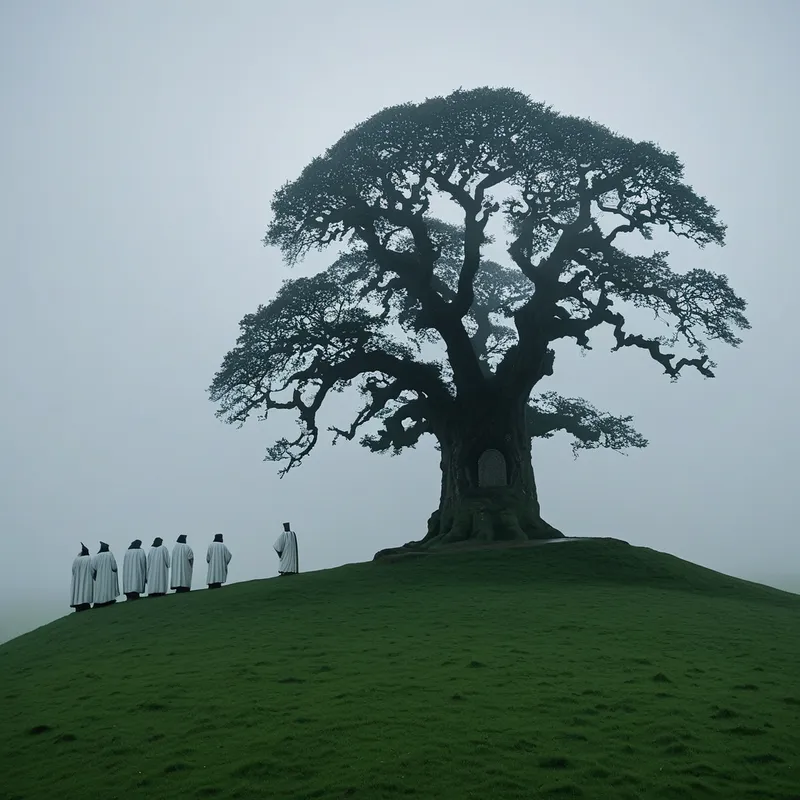
Cultural Origins & Context
The myth of the Stone of Fal is embedded in the Lebor Gabála Érenn (The Book of Invasions) and the rich tapestry of the Mythological Cycle. It belongs not to [the world](/myths/the-world “Myth from Tarot culture.”/) of documented history, but to the senchas—the lore, the traditional knowledge passed down by the fili (poet-seers) and druids. These custodians of memory were not mere storytellers; they were the living hard drives of their culture, preserving law, genealogy, and sacred truth in complex, metrical verse.
The story functioned as the ultimate political and spiritual legitimizer. In a society where kingship was not a simple birthright but a sacred, conditional office, the Lia Fáil was the arbiter. It represented a divine mandate, a check on human ambition. The king’s primary role was not to wield power over the land, but to be a conduit for the prosperity of the land. A false king meant poor harvests, weak cattle, and social strife. The stone’s cry was the symbolic guarantee of harmony, the audible proof that the candidate would ensure the fertility and order of the realm. It placed sovereignty not in a man, but in the mysterious, judging consciousness of the land itself, mediated through this ancient, oracular stone.
Symbolic Architecture
At its core, the [Stone](/symbols/stone “Symbol: In dreams, a stone often symbolizes strength, stability, and permanence, but it may also represent emotional burdens or obstacles that need to be acknowledged and processed.”/) of Fal is an archetypal [symbol](/symbols/symbol “Symbol: A symbol can represent an idea, concept, or belief, serving as a powerful tool for communication and understanding.”/) of the [conjunction](/symbols/conjunction “Symbol: In arts and music, a conjunction represents the harmonious or dissonant merging of separate elements to create a new, unified whole.”/), the sacred [marriage](/symbols/marriage “Symbol: Marriage symbolizes commitment, partnership, and the merging of two identities, often reflecting one’s feelings about relationships and social obligations.”/) between the conscious ego and the vast, unconscious [soul](/symbols/soul “Symbol: The soul represents the essence of a person, encompassing their spirit, identity, and connection to the universe.”/) of a [system](/symbols/system “Symbol: A system represents structure, organization, and interrelated components functioning together, often reflecting personal or social order.”/)—be it a [kingdom](/symbols/kingdom “Symbol: A kingdom symbolizes authority, belonging, and a sense of identity within a larger context or community.”/), a [community](/symbols/community “Symbol: Community in dreams symbolizes connection, support, and the need for belonging.”/), or one’s own inner world.
The stone is the dormant potential of truth, waiting for the correct key—not of intellect, but of being—to unlock its resonant voice.
The stone itself symbolizes the Self in the Jungian sense—the central, ordering principle of the [psyche](/myths/psyche “Myth from Greek culture.”/), often silent and unseen, but holding the ultimate criterion for integrity. It is the bedrock of [identity](/symbols/identity “Symbol: Identity represents the sense of self, encompassing personal beliefs, cultural background, and social roles.”/). The [king](/symbols/king “Symbol: A symbol of ultimate authority, leadership, and societal order, often representing the dreamer’s inner power or external control figures.”/) represents the conscious ego, the part of us that seeks to govern our personal [realm](/symbols/realm “Symbol: The symbol of ‘Realm’ often signifies the boundaries of one’s consciousness, experiences, or emotional states, suggesting aspects of reality that are either explored or ignored.”/). The [ritual](/symbols/ritual “Symbol: Rituals signify structured, meaningful actions carried out regularly, reflecting cultural beliefs and emotional needs.”/) of stepping onto the stone is [the ego](/myths/the-ego “Myth from Jungian culture.”/)’s approach to [the Self](/myths/the-self “Myth from Jungian culture.”/), seeking validation and [purpose](/symbols/purpose “Symbol: Purpose signifies direction, meaning, and intention in life, often reflecting personal ambitions and core values.”/). The cry is the [moment](/symbols/moment “Symbol: The symbol of a ‘moment’ embodies the significance of transient experiences that encapsulate emotional depth or pivotal transformations in life.”/) of recognition, the psychic [event](/symbols/event “Symbol: An event within dreams often signifies significant life changes, transitions, or emotional milestones.”/) where [the ego](/myths/the-ego “Myth from Jungian culture.”/)’s plans align with the deeper, often unknown, [blueprint](/symbols/blueprint “Symbol: A blueprint represents the foundational plan or design for something, often symbolizing potential, structure, and the mapping of one’s inner self or future.”/) of [the Self](/myths/the-self “Myth from Jungian culture.”/). It is the feeling of “rightness,” of vocation, of being called into one’s full [authority](/symbols/authority “Symbol: A symbol representing power structures, rules, and control, often reflecting one’s relationship with societal or personal governance.”/). Conversely, the stone’s silence is the profound psychological experience of incongruence, of living a [life](/symbols/life “Symbol: The symbol of ‘Life’ represents a journey of growth, interconnectedness, and existential meaning, encompassing both the joys and challenges that define human experience.”/) that is out of tune with one’s deepest [nature](/symbols/nature “Symbol: Nature symbolizes growth, connectivity, and the primal forces of existence.”/), resulting in a silent, barren inner [landscape](/symbols/landscape “Symbol: Landscapes in dreams are powerful symbols representing the dreamer’s emotional state, personal journey, and the broader context of life situations.”/).
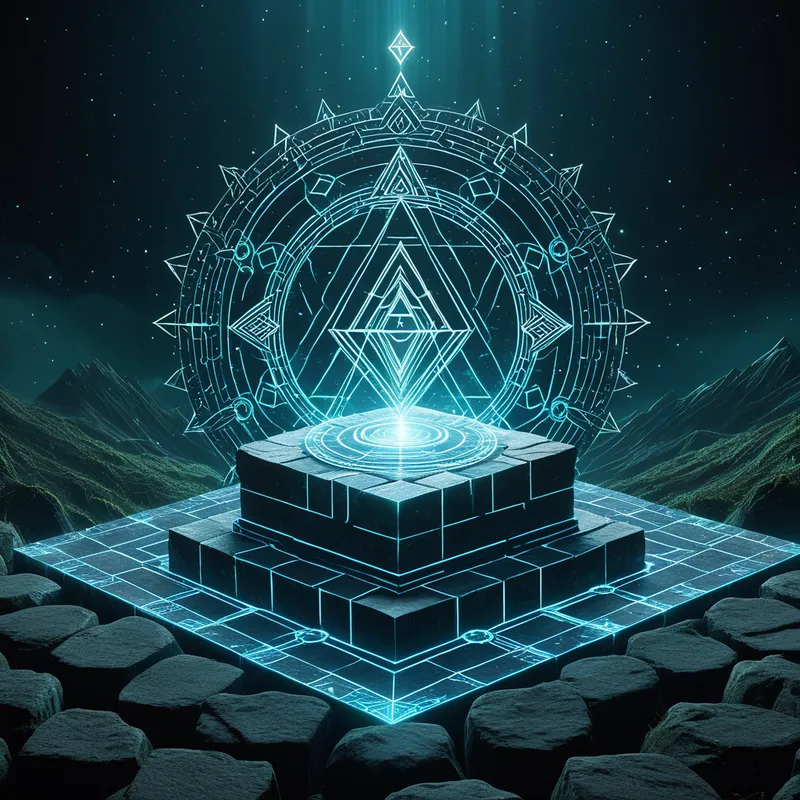
The Dreamer’s Resonance
When this mythic pattern stirs in the modern dreamer, it speaks to a crisis or a calling of authentic authority. You may dream of standing before a council, a silent audience, or a mysterious object, awaiting a verdict. You may be tested, asked to place your hand or foot on a strange stone, a crystal, or the root of a great tree. The anxiety in the dream is palpable—the fear of the stone’s silence, which in psychological terms is the fear of being exposed as an “imposter,” of your deepest self rejecting the life you’ve built.
Somatically, this process can feel like a tightening in the chest or gut—the body’s own “stone” reacting. A dream where the object does resonate—emitting light, sound, or warmth—often coincides with a waking-life moment of profound alignment: accepting a true calling, setting a vital boundary, or speaking a long-suppressed truth. The dream is the psyche’s ritual of inauguration, testing the dreamer’s current identity against the inner Lia Fáil. It asks: Does the role you play, [the mask](/myths/the-mask “Myth from Various culture.”/) you wear, resonate with the core of who you are? If not, the dream landscape will remain silent, urging a return to the drawing board of the soul.
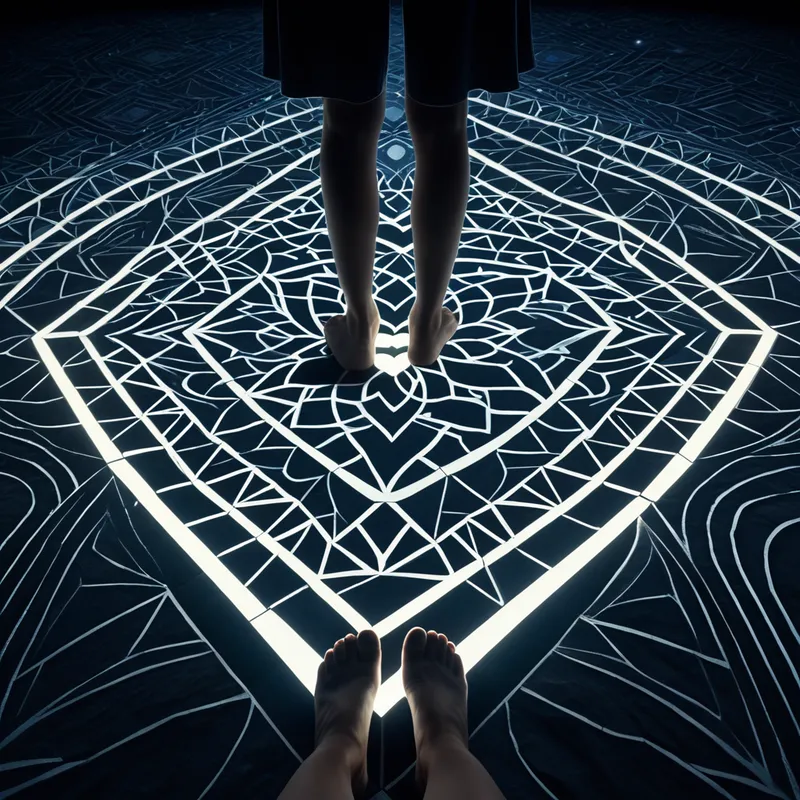
Alchemical Translation
The alchemical process mirrored here is individuation, specifically the stage of achieving the [lapis philosophorum](/myths/lapis-philosophorum “Myth from Alchemical culture.”/)—the philosopher’s stone, the fully integrated Self. The myth provides a perfect model.
First, the [nigredo](/myths/nigredo “Myth from Alchemical culture.”/): the candidate’s purification through ritual. This is the modern dark night of the soul, the stripping away of old identities, societal expectations, and ego-inflations (“I am entitled to be king”). It is a necessary humility.
Second, the albedo: the approach to the stone, the confrontation with the pure, unyielding criterion of the Self. This is the moment of stark, silent self-assessment.
The king does not command the stone; he submits to its law. True sovereignty is born not from domination, but from resonant submission to a higher order.
The miraculous cry is the [rubedo](/myths/rubedo “Myth from Alchemical culture.”/), the reddening, the culmination. It represents the transmutation of base ego-lead into the gold of authentic Selfhood. The ego, instead of ruling tyrannically, becomes the faithful steward of the Self’s authority. For the modern individual, this alchemy plays out in the journey to find one’s true “voice.” It is the process of trying on various roles (jobs, relationships, personas) until one finds the unique expression that makes the inner “stone” sing—that brings a sense of effortless rightness, creative flow, and deep connection to the world around you. Your life, your work, your relationships become fertile because they are true. You are no longer a claimant to your own life, but its rightful, resonant sovereign.
Associated Symbols
Explore related symbols from the CaleaDream lexicon: