Dionysus's Second Birth Myth Meaning & Symbolism
The twice-born god, torn from his mother's womb and sewn into his father's thigh, emerges as the lord of ecstasy, chaos, and profound transformation.
The Tale of Dionysus's Second Birth
Hear now the tale of the god born not once, but twice—a story woven from lightning, ash, and the deep, red wine of the earth.
It began with a mortal woman, Semele, whose beauty caught the eye of the king of the gods himself. Zeus came to her in disguise, and in their secret union, a divine seed was planted. But the queen of heaven, Hera, whose gaze misses nothing, saw the betrayal. Fury coiled in her heart, colder than the deepest winter on Olympus. She would not strike at Zeus directly. Instead, she took the form of an old crone, a trusted nurse, and visited the pregnant Semele. With honeyed words of false concern, she planted a seed of doubt: "Are you certain it is Zeus who visits you? A true god would show you his full glory, not a mortal disguise. Demand he prove his divinity."
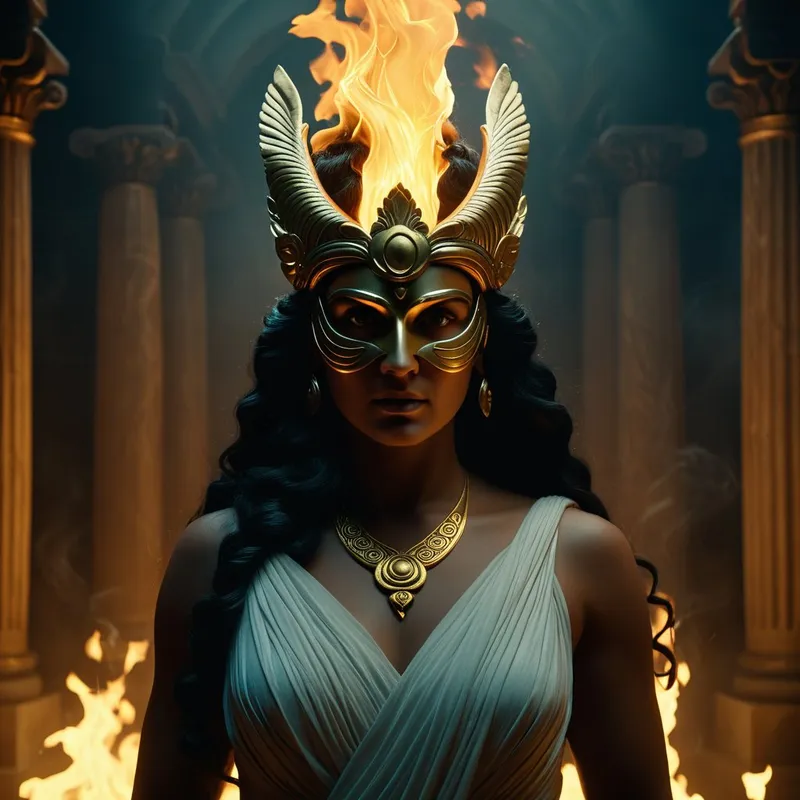
Blinded by pride and the poison of Hera's suggestion, Semele made the fatal request. When Zeus next came to her, she extracted an oath on the sacred river Styx to grant her one wish. Bound by his own word, the Thunderer pleaded, but she was adamant. With a heart heavy with foreknowledge, Zeus revealed his true, unshielded form. No mortal eyes can bear the unveiled splendor of the divine. The room filled with the raw, consuming fire of celestial lightning. Semele was incinerated in an instant, her mortal form turned to ash.
But in that moment of annihilation, Zeus acted. From the smoking ruin of Semele's body, he snatched the unborn, six-month child. The god's own flesh became a womb. With a deft hand, he cut open his own thigh and sewed the fetal Dionysus inside, sealing him in a sac of immortal flesh and blood. For three moons, the child gestated not in the dark of a mortal womb, but in the radiant, muscular heart of the sky itself.
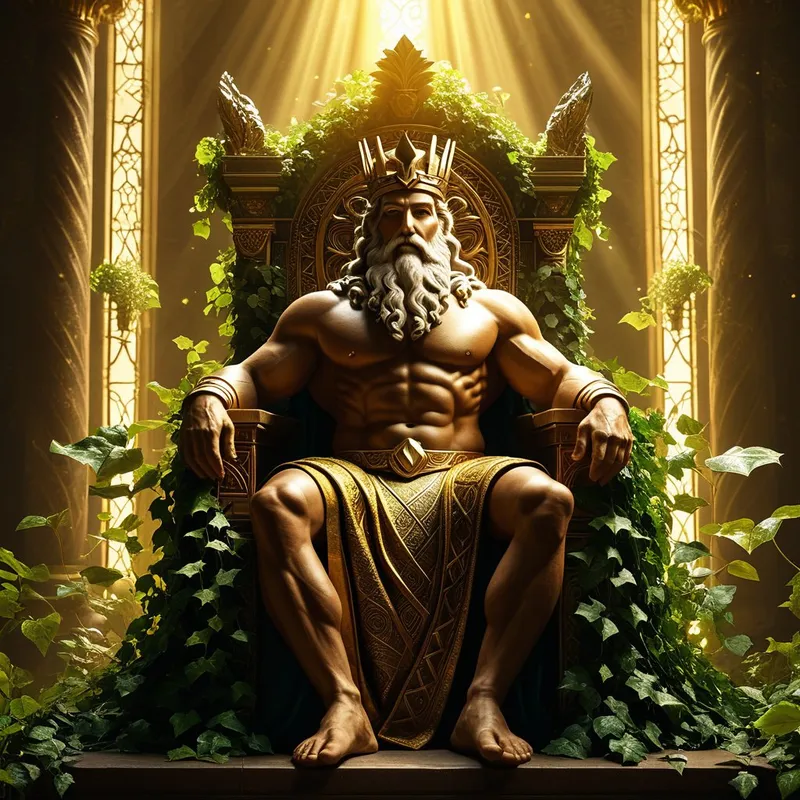
When the time was complete, Zeus unsewed the divine incision. From the thigh of the father, Dionysus was born a second time—whole, vital, and already crowned with a wreath of ivy. His first birth from Semele was of the earth, mortal and fragile. His second birth from Zeus was of the sky, immortal and wild. He emerged not as a helpless babe, but as the god who would be called Dimetor, the lord of the vine, the breaker of boundaries, the god of ecstasy and madness. His cradle was the wilderness, and his nurses were the nymphs and satyrs, for he was a god who belonged as much to the shadowed forest as to the shining halls of Olympus.
Cultural Origins & Context
This profound myth is not a singular, canonical text but a living story that evolved across centuries of Greek culture. Its earliest fragments appear in the Homeric Hymns and the works of poets like Pindar, but it found its most detailed form in the later compilations of mythographers like Apollodorus. The tale was central to the Eleusinian Mysteries and the wild, ecstatic cult of Dionysus himself.
Told around fires, in theatrical performances, and during secret initiatory rites, the story served multiple societal functions. It explained the unique, hybrid nature of Dionysus—the only Olympian god with a mortal mother, bridging the human and divine realms. It validated the power of ecstatic worship, suggesting that the divine could be accessed not only through orderly prayer but through surrendering to a force that could shatter the self. The myth was a narrative anchor for a god who represented the uncontrollable forces of nature, wine, theater, and the liberating—and terrifying—power of the unconscious mind that civilization constantly seeks to repress.
Symbolic Architecture
The myth of the second birth is a masterclass in symbolic paradox, mapping the terrifying yet necessary process of psychic death and rebirth.
The first, failed birth from Semele represents the initial, incomplete incarnation of a profound potential. Semele, consumed by divine fire, is the necessary sacrifice of the naive ego, the personal identity that is too fragile to contain a transcendent truth. Her demand to see the god "as he is" is the soul's authentic, if disastrous, craving for direct experience of the numinous, beyond all comforting illusions.
The true self cannot be born from the old container; the container must be sacrificed to the fire of reality.
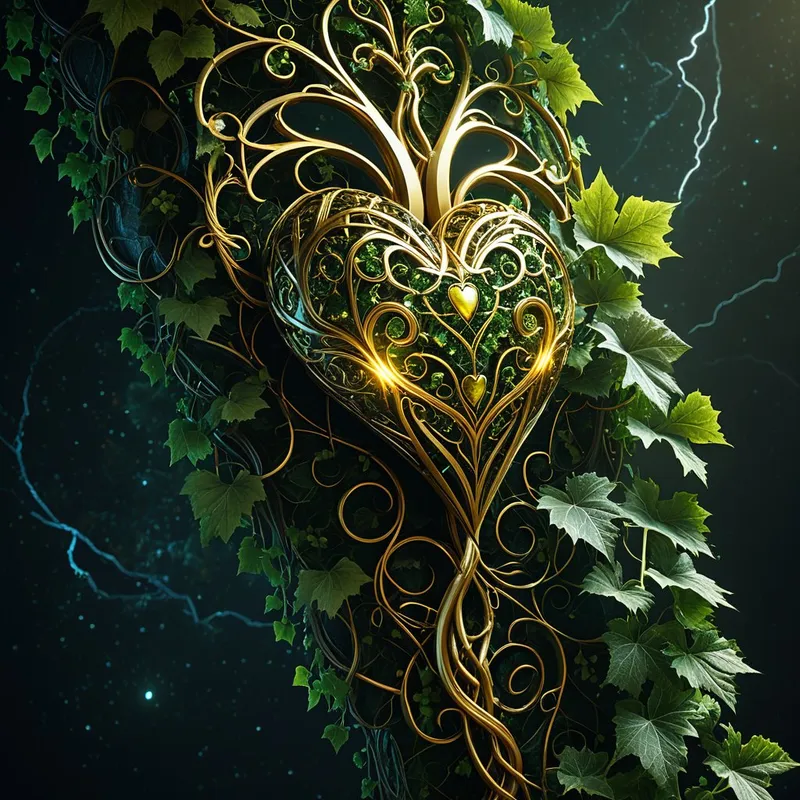
Zeus's thigh-womb is the ultimate symbol of masculine nurture and active creation. It transcends biological determinism. The child is not merely saved; he is re-created in a vessel of pure authority and power (logos), yet one that is intimately connected to the generative, life-giving strength of the body (the thigh). This is the alchemical vessel where opposites are held: mortal and immortal, feminine lineage and masculine gestation, chaos and order.
Dionysus emerging "twice-born" embodies the archetype of the dimetor. He is the consciousness that has passed through annihilation and been reconstituted on a higher, more complex plane. He carries the memory of his mortal origin (the ash of Semele) within his immortal substance, making him the god of empathy for mortal suffering, yet he is utterly free from its limitations. His dominion over wine, theater, and ecstasy are all technologies for inducing a controlled "second birth"—a temporary shattering of the ego that allows for communion with something greater.
The Dreamer's Resonance
When this myth stirs in the modern psyche, it often manifests in dreams of radical, sometimes violent, transformation. The dreamer may experience:
- The Consuming Fire: Dreams of houses (the psyche) burning down, of being caught in lightning storms, or of a radiant, beautiful yet terrifying presence that demands total surrender. This is the somatic echo of Semele's fate—the old structure of the self being incinerated by an encounter with a truth too powerful for its current form.
- The Thigh-Womb: Recurring dreams of wounds or openings in the leg or hip that are not injuries but portals. There may be a sense of something precious being carried, protected, or gestating in an unexpected part of the body. This points to a nascent potential being nurtured not by external circumstances or old patterns (the mother), but by one's own inner authority and latent strength (the father).
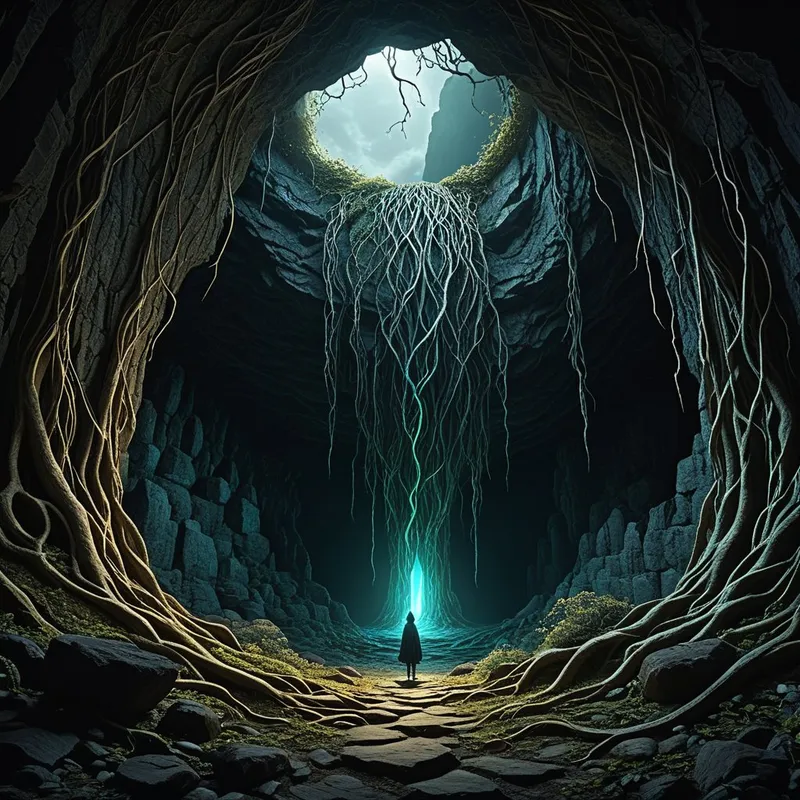
- Emergence Whole: Dreams of being born as an adult, of stepping out of a cave, a tree, or a piece of furniture fully clothed and aware. There is no infancy here, only a sudden, complete arrival of a new aspect of the self. This is the Dionysian moment of second birth—the new consciousness, forged in crisis, coming online.
These dreams signal a profound somatic and psychological process: the death of an outmoded identity and the painful, miraculous gestation of a more authentic one within the resources of the psyche itself. It is the process of individuation pressing against the seams of the persona.
Alchemical Translation
For the modern individual, the myth models the non-negotiable alchemy of psychic transmutation. We all have our "Semele moments"—when a passionate idea, a deep calling, or a traumatic truth appears in our lives. If we approach it with a naive, untempered ego (Semele's pride), demanding it conform to our understanding, it will likely destroy us. The initial form of our ambition or our old self is incinerated.
The alchemical work begins with the "Zeus gesture": the capacity of the conscious ego (Zeus as sovereign) to salvage the essential, living core from the ashes of that failure. This is not an intellectual exercise; it is an act of profound self-containment. We must "sew" that nascent potential into our own substance—our will, our discipline, our deepest values (the thigh). We become our own incubator.
Individuation is not about finding yourself, but about creating the vessel within which your deeper self can be born a second time.
The gestation period is often a time of inward focus, withdrawal, or what feels like limbo. The old life is gone, the new one is not yet visible. This is the thigh-womb phase. Finally, the "second birth" is the integration. The Dionysian energy emerges not as a chaotic, destructive force, but as a vital, creative power that enriches life. It is the capacity for ecstatic joy, creative frenzy, and deep empathy that has been tempered by the ordeal of its own genesis. We become dimetor—twice-born—carrying both our mortal wounds and our immortal resilience, able to hold the chaos of life without being destroyed by it, finding sacredness not only in order, but in the transformative power of the vine.
Associated Symbols
Explore related symbols from the CaleaDream lexicon: