
Dionysus as infant Myth Meaning & Symbolism
The twice-born god, hidden as an infant, is torn apart by Titans before being reborn, embodying the raw, untamable life force that shatters all order.
The Tale of Dionysus as infant
Listen. Before the world knew his name, before the vine and the revel, there was only a secret. A mother’s desperate love and a father’s terrible grief.
The story begins not with a birth, but with a death. Semele, a mortal princess, loved by the king of gods, Zeus, was consumed by the divine fire of his true form. From her ashes, Zeus snatched the unborn child. With a swift, agonizing cut to his own thigh, he sewed the fetal god into his flesh, a living womb of thunder and sky. Thus, Dionysus was born not once, but twice: first from mortal womb, then from immortal thigh. He entered the world a god-infant, marked by paradox—mortal and divine, orphaned and fathered, a spark of wild life snatched from the ashes of order.
This child, this living secret, was too precious, too dangerous for the daylight world. Zeus entrusted him to the care of gentle nymphs—the Hyades or, in other tellings, to the mountain goddess Nysa. They hid him in a remote, verdant cave, a cradle woven from ivy and the whispers of streams. There, the infant god was raised in secret, his divinity swaddled in leaves, his laughter the sound of budding grapes. He was the hidden heart of the wild, the untamed potential growing in the dark.
But secrets have a way of unraveling. Hera, whose wrath was as cold and enduring as the stars, discovered the child. Her jealousy, a poison older than time, sought to extinguish this proof of her husband’s betrayal. She did not strike directly. Instead, she whispered to the primordial Titans, those beings of raw, chaotic force. She maddened them, gifting them a simple, terrible toy: a mirror, a bauble, a distraction.
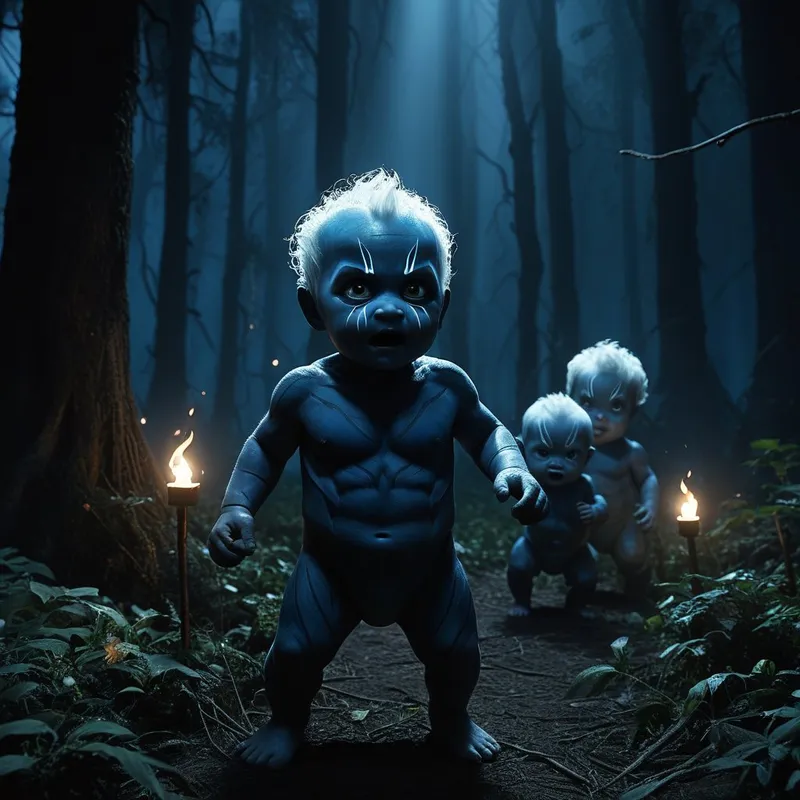
The Titans, their minds clouded by Hera’s spite, found the hidden grove. They approached the divine infant not with weapons, but with the glittering mirror. The child, curious, reached for his own reflection. In that moment of captivated innocence, they seized him. With hands of chalk and earth, they tore the infant god apart. They rent limb from limb, scattering the pieces. They then boiled his flesh in a great cauldron and roasted his remains on seven spits, a grotesque feast meant to consume his power.
The world held its breath. The nymphs’ lament was the wind through barren branches. It seemed the story of life born from death would end only in death.
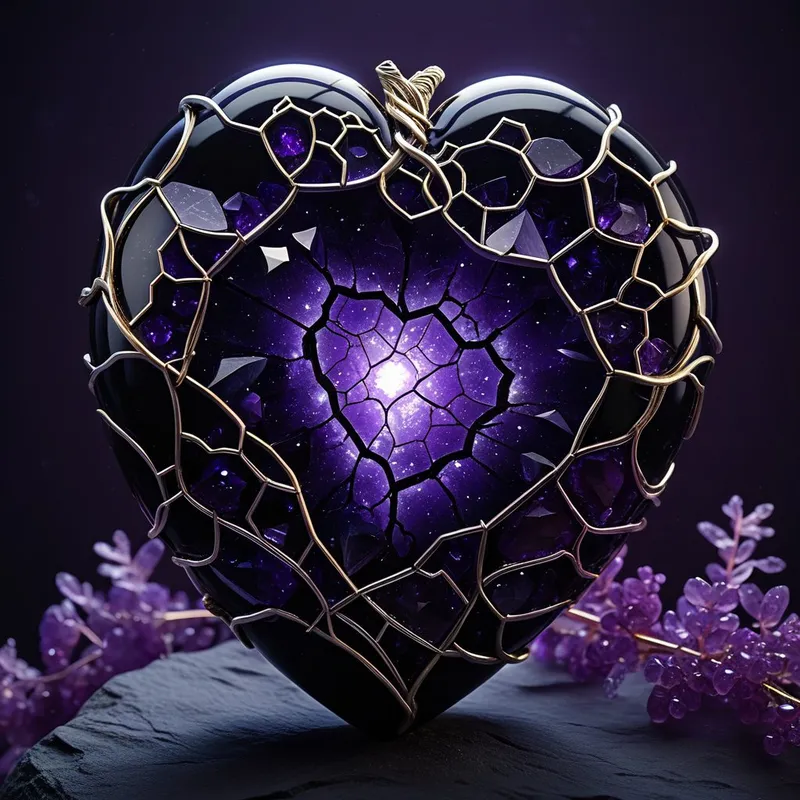
But a god cannot be so easily undone. From the horror, a heartbeat persisted. Some say his grandmother, Rhea, gathered his sacred heart. Others say Athena rescued it, still pulsating. This heart—this irreducible core of divine vitality—was returned to Zeus. From it, the god was born again, resurrected, reconstituted. The infant who was dismembered became the god who is indestructible. The secret, once hidden in a cave, was now a roar in the blood of the world, a truth that could be fragmented but never destroyed.
Cultural Origins & Context
This haunting narrative, particularly the sparagmos (rending) of the infant, is not a child’s bedtime story. It is a foundational theogony, a story of the god’s origin that was central to the secretive Orphic Mysteries. In these rites, the myth was not merely recited; it was ritually enacted and contemplated by initiates seeking a deeper understanding of life, death, and the soul.
The story was passed down in hymns and esoteric texts, a guarded knowledge. Its societal function was profound: it provided a mythological blueprint for the human condition. It explained the presence of the divine (Dionysus) within the mortal (the Titans’ earthly nature), and the consequent cycle of suffering, fragmentation, and potential reintegration. The myth was a map of the psyche for the ancient Greek, illustrating that trauma and disintegration are not final, but are part of a cosmic process presided over by a god of ecstatic life.
Symbolic Architecture
The infant Dionysus is the archetypal Divine Child, representing pure, unmediated life force, instinct, and potential. His hiding signifies the repression of this raw vitality by the “civilized” or ordered ego (represented by Hera’s jealous order). The cave is the unconscious womb where potential gestates, unseen and protected.
The mirror of the Titans is the symbol of identification—the moment the innocent life force becomes fascinated with its own image, its own separate self, and in doing so, becomes vulnerable to the fragmenting forces of the world.
The Titans represent the raw, archaic, and often destructive aspects of the psyche—the primal urges, the unintegrated complexes, the capacity for self-sabotage. Their dismemberment of the child is the psychological trauma that shatters wholeness, the experience that breaks the nascent self into pieces—memories, pains, isolated instincts.
The boiling cauldron and the seven spits are not mere brutality; they are alchemical. They represent a forced, painful transformation. The god must be “cooked,” broken down to his essence. The surviving heart is the indestructible core of the Self, the psychic DNA that holds the pattern of wholeness. The rebirth is the promise of individuation: that from our most profound fragmentations, a more conscious, resilient, and authentic totality can be reassembled.
The Dreamer's Resonance
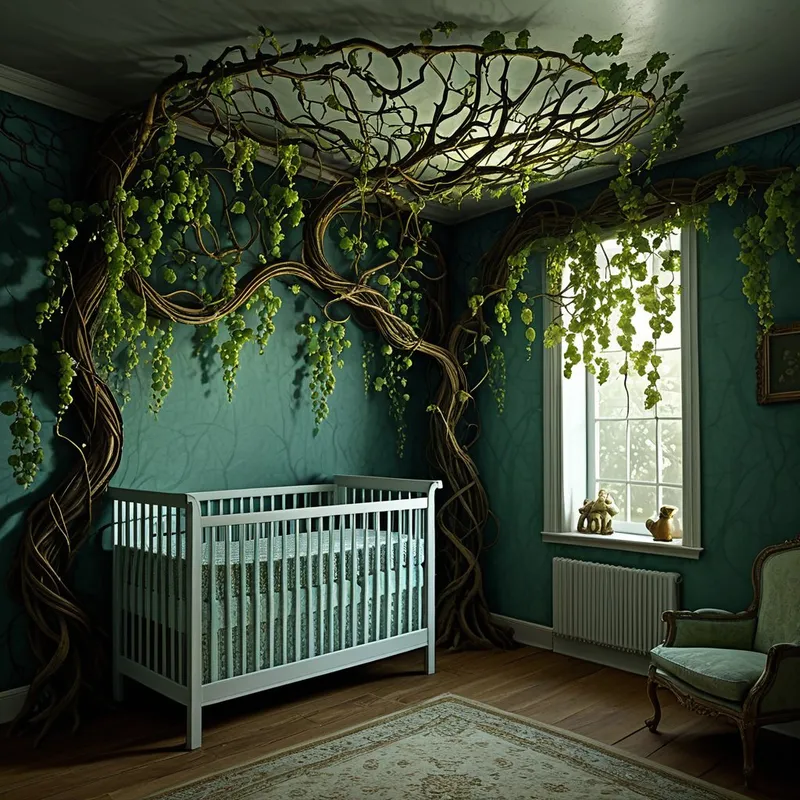
When this myth stirs in modern dreams, it rarely appears as a classical tableau. Instead, one might dream of a cherished project or new relationship (the infant) being suddenly attacked or dismantled by shadowy figures or chaotic events (the Titans). One might dream of being in a safe nursery that transforms into a threatening kitchen or workshop. The somatic feeling is one of profound vulnerability, violation, and helpless rage, followed by a deep, numb despair.
This dream pattern signals that the dreamer is in a state of psychological sparagmos. A nascent part of the self—a creative impulse, a tender emotion, a new identity—is being assaulted by older, more brutal internal forces: perhaps a harsh inner critic, a pattern of self-sabotage, or the resurfacing of past trauma. The dream is not a prophecy of doom, but an unconscious dramatization of a crisis of integration. The psyche is showing the dreamer the terrifying process of having its new growth torn apart by its own unhealed past.
Alchemical Translation
The alchemy of this myth is the transmutation of trauma into source. The modern individual’s journey is not to avoid the Titans—the fragmenting experiences of betrayal, loss, failure, and mental breakdown—but to undergo them consciously, with the faith of the hidden heart.
The cauldron of suffering is the vessel of individuation. We are not boiled to be destroyed, but to be reduced to our essential substance—our core values, our non-negotiable truths, our indestructible will to live and connect.
The “rebirth from the heart” is the conscious act of gathering the scattered pieces of oneself after a crisis. It is the therapeutic and creative work of reassembly, not back into the old, naive innocence, but into a new, more complex wholeness that has integrated the reality of the Titans. The once-hidden, vulnerable life force (the infant) becomes the ecstatic, resilient, and boundary-dissolving power of the mature Dionysus. We learn that our capacity for joy is not separate from our experience of being broken; indeed, it is forged within it. The god of the vine teaches that the sweetest wine is pressed from crushed grapes.
Associated Symbols
Explore related symbols from the CaleaDream lexicon: