Coniunctio Myth Meaning & Symbolism
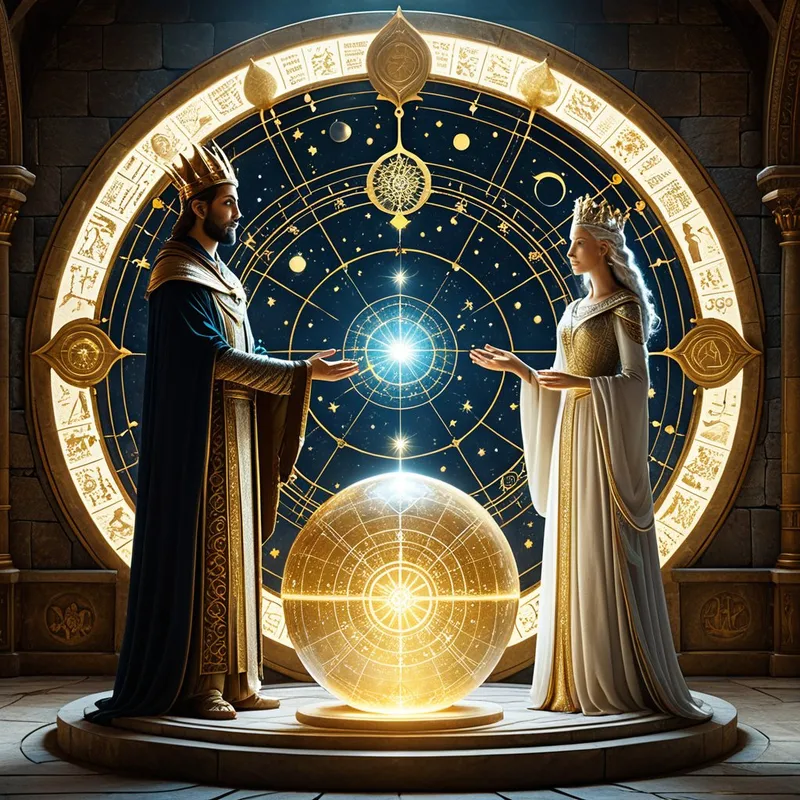
The sacred alchemical marriage of Sol and Luna, a union of opposites that births the Philosopher's Stone, symbolizing ultimate wholeness and psychic integration.
The Tale of Coniunctio
Listen, and hear the tale whispered in the smoke of the furnace and etched in the patina of the alembic. It begins not with a bang, but with a profound and aching loneliness that permeates the very substance of the world.
In the beginning of the Work, there was separation. Sol, the King, sat upon a throne of purest gold, radiant and unwavering. His light was fierce, a logic that could calcify stone and burn away all impurity. Yet, for all his brilliance, his realm was static, a perfect, dead kingdom. Across the abyss of matter dwelt Luna, the Queen. Her palace was of shimmering silver, reflective and deep. Her light was the light of the secret tide, of intuition that ebbs and flows, of the soul’s dark, fertile waters. She was change itself, but without direction, forever mirroring, never acting.
A great sigh hung between them, a yearning encoded in salt and sulphur. The King saw in his dreams not his own golden face, but a silver visage, cool and mysterious. The Queen, in her reflective basins, saw not her own form, but a corona of devastating, structuring fire. They were two halves of a broken sphere, spinning in the void of the Prima Materia.
The Vas, the sealed vessel of the world and the laboratory, held them. Here began the long torment, the Nigredo. Sol was plunged into the depths, his gold tarnished black in the Queen’s mercurial waters. Luna was subjected to the King’s scorching fire, her silver boiling away into acrid steam. Each suffered the essence of the other—a death of their isolated purity. This was the conflict, a necessary war waged in the dark of the retort.
From this blackness arose the Albedo, a ghostly white dawn. The King, humbled and softened, became the White King. The Queen, clarified and strengthened, became the White Queen. They began to recognize one another not as opposites to conquer, but as complements to court.
And then, the moment. In the heart of the furnace, under the watchful eye of the Artifex, the heat reached its zenith—the Rubedo. The White King and the White Queen did not merely touch. They dissolved. Their royal garments, their separate bodies, melted away in a shower of sparks and a cascade of luminous dew. From the center of this glorious conflagration, a new form coalesced. Not a king, not a queen, but a Child of Light, the Rebis, the double-being. And in its hands, or rather, as its very heart, glowed the Lapis Philosophorum—the Philosopher’s Stone. The sigh of the universe was stilled. The marriage was complete.
Cultural Origins & Context
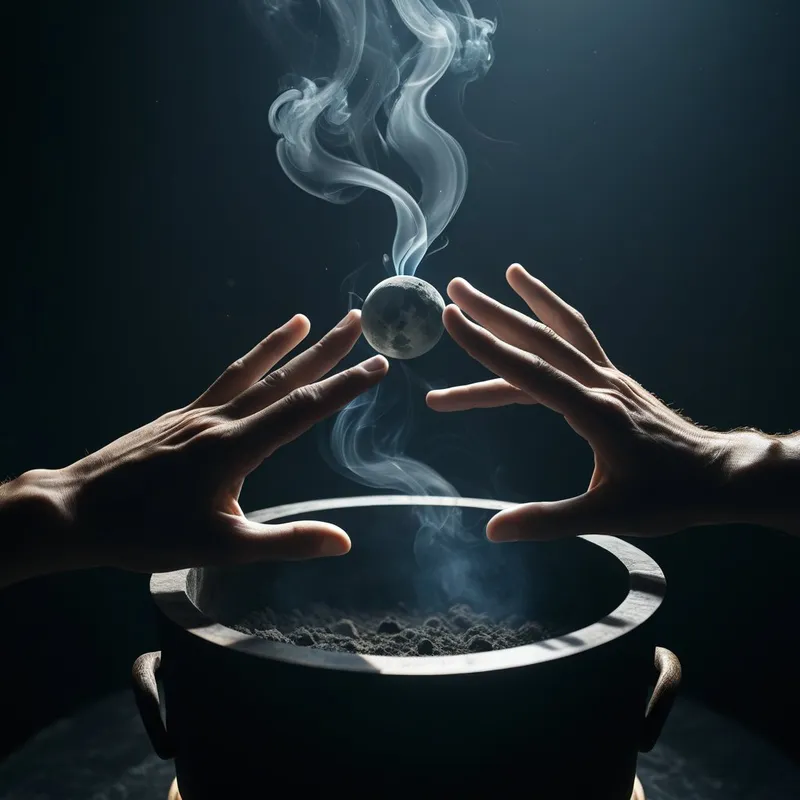
The myth of the Coniunctio is not a folktale with a single author, but the central, living narrative of the Western alchemical tradition, spanning from Hellenistic Egypt through the Islamic Golden Age to the Renaissance courts of Europe. It was passed down not by bards, but by adepts through cryptic texts, emblematic woodcuts, and oral initiation. Figures like Hermes Trismegistus, Jabir ibn Hayyan, and later, Carl Jung, became its custodians.
Its societal function was dual. Exoterically, it was a coded manual for laboratory procedures, describing the chemical marriage of substances like gold and silver, or sulphur and mercury. Esoterically, and more profoundly, it served as a spiritual roadmap for the adept’s own transformation. The myth provided a symbolic container for experiences of inner conflict, spiritual crisis, and the hope of transcendental unity, offering a language for processes that defied ordinary description in an age before depth psychology.
Symbolic Architecture
At its core, the Coniunctio is a supreme symbol of psychic integration. It maps the journey from a state of inner fragmentation to one of Individuation.
The Stone is not found; it is born from the sacred quarrel between what we know and what we fear within ourselves.
Sol represents the conscious mind: logic, ego, daylight clarity, and active will. Luna embodies the unconscious: intuition, emotion, the shadow, the anima/animus, and the receptive soul. Their initial separation is the common human condition—the rational self at odds with its own depths, the persona denying the shadow.
The brutal Nigredo is the necessary descent into the psyche’s underworld, a depression or crisis where old identities (the pure King, the pure Queen) break down. The Albedo is the washing clean, a moment of insight and humility where one sees the “other” within not as an enemy, but as a lost partner. The final Rubedo and the birth of the Rebis symbolize the stable, enduring state where consciousness and the unconscious communicate freely, creating a new, transcendent center of personality—the Self.
The Dreamer's Resonance
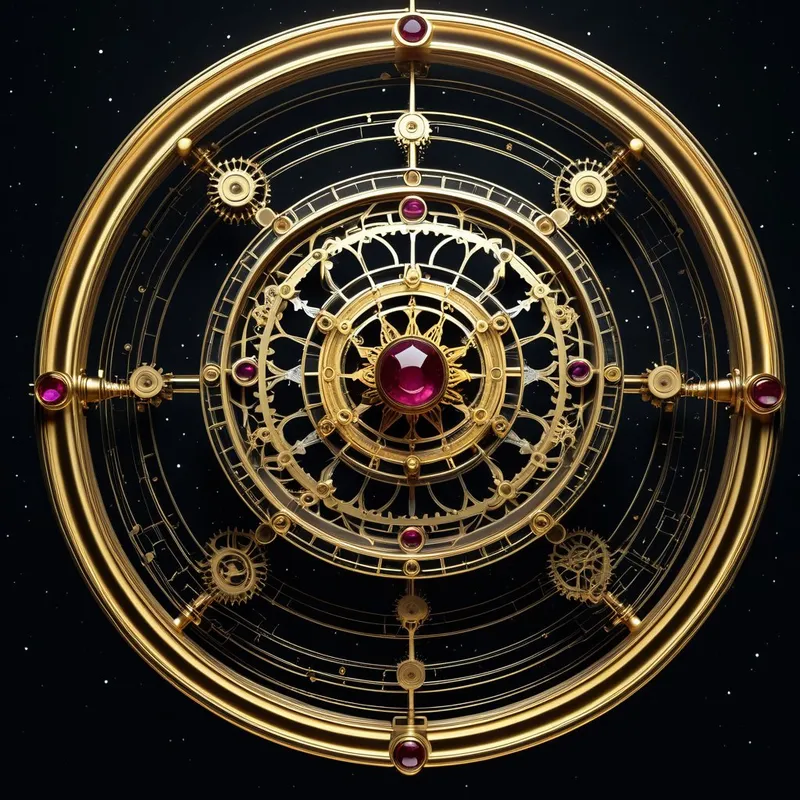
When this myth stirs in the modern dreamer, it announces a profound somatic and psychological process of reconciliation. One may dream of two figures, often a man and a woman (which may not correspond to the dreamer’s literal gender), in tense proximity—dancing, fighting, or working in a strange room. The dream landscape itself may feel like a Vas: a sealed garden, a circular room, or any space with a sense of inescapable, transformative pressure.
Somatically, this can correlate with feelings of being “torn apart” or “pulled in two directions,” often centered in the chest or gut. Psychologically, it manifests as intense inner conflict—between career and family, head and heart, duty and desire, a rigid self-image and emerging, unfamiliar feelings. The dream is not a sign of breakdown, but of breakthrough; the psyche is enacting its own alchemy, forcing a confrontation between polarized aspects of the self that demand union.
Alchemical Translation
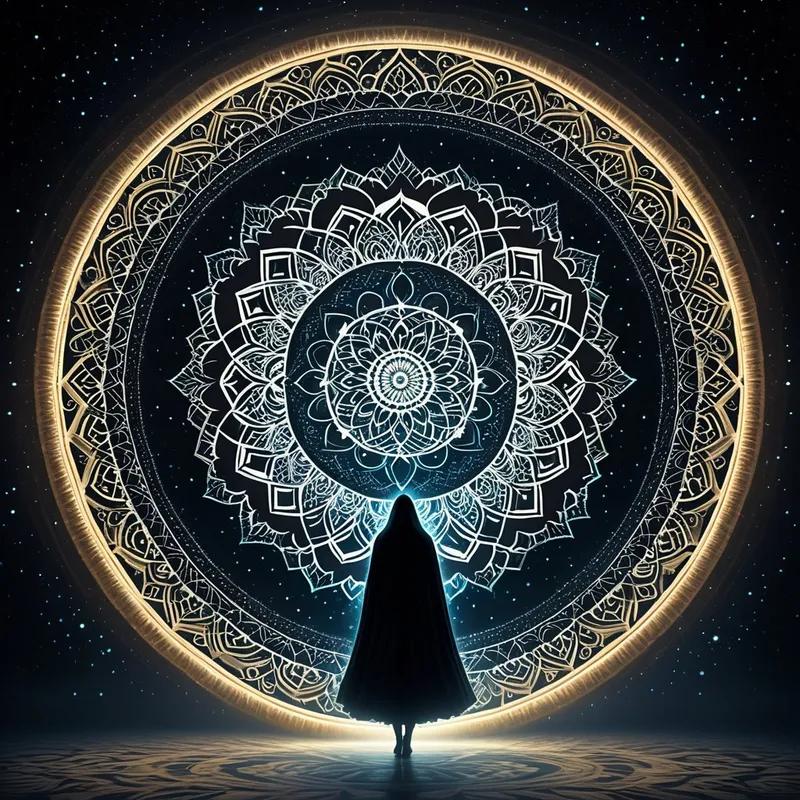
For the modern individual, the Coniunctio models the non-linear, often painful, path to wholeness. We are all unwitting Artifex figures, and our life is the laboratory.
The first step is to acknowledge the inner Sol and Luna—the opposing forces within. This might be the hyper-rational achiever (Sol) versus the neglected, creative, or emotional self (Luna). The “Nigredo” is endured when life forces a crisis that humbles the dominant Sol or floods the elusive Luna into consciousness: a burnout, a heartbreak, a failure that blackens our golden self-image.
The fire that melts the gold is the same fire that volatilizes the silver; one crisis serves both kings.
The work is to contain this conflict without fleeing—to stay in the Vas of self-reflection. The “Albedo” arrives as we wash away projections, seeing our “opposite” not in a partner or enemy, but as a disowned part of our own soul. We court it, listen to it.
The “Rubedo” is the consummation: a lasting inner marriage. It is not a bland compromise, but the fiery birth of a new capacity. The rational mind gains depth and compassion; the intuitive heart gains clarity and form. This is the Lapis Philosophorum—not a magic wand, but the realized ability to transmute leaden experiences into golden wisdom, to find meaning in suffering, and to act from a place of authentic, integrated being. The myth endures because it promises that our deepest divisions hold the secret to our greatest becoming.
Associated Symbols
Explore related symbols from the CaleaDream lexicon: