Collective Unconscious Myth Meaning & Symbolism
The story of the primordial psychic sea from which all archetypes and myths arise, connecting every human soul to a shared, ancestral heritage.
The Tale of the Collective Unconscious
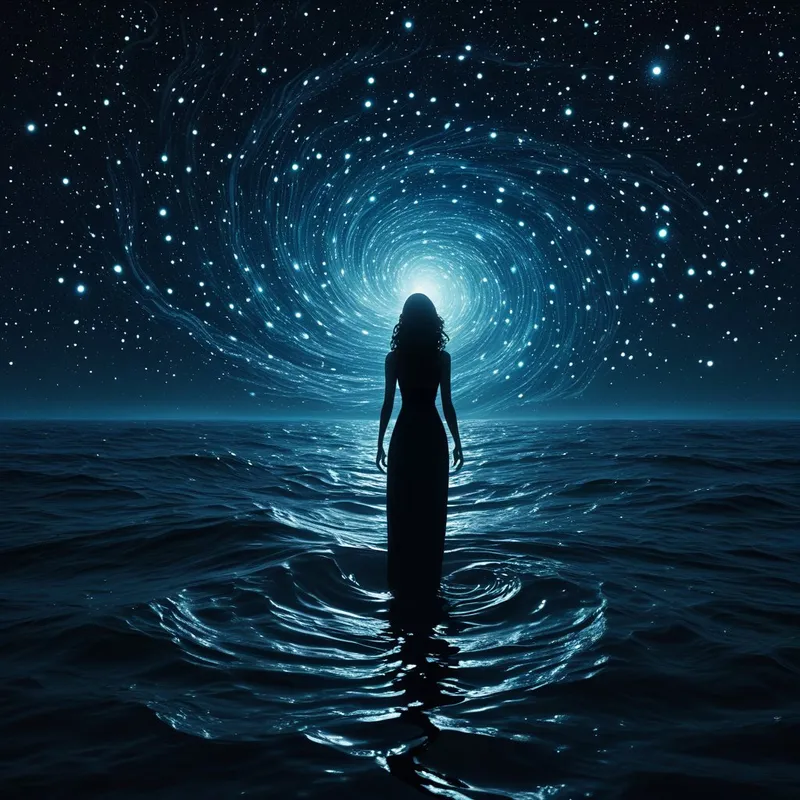
Before the first word was spoken, before the first fire was kindled, there existed a different kind of sea. It was not a sea of water, but of memory. Not the memory of one person, or one tribe, but the memory of the human soul itself. It lay deep, so deep beneath the waking world that the sun and moon never touched its shores. This was the Collective Unconscious.
In this fathomless dark, nothing had form, yet everything was potential. It was a silent, starless night pregnant with all the dreams not yet dreamt. Then, from the pressure of eons, from the weight of shared experience across countless generations, shapes began to stir. Not born, but remembered into being. The Archetypes emerged. The Great Mother, whose womb was the beginning and end of all things. The Wise Old Man, who knew the secrets whispered before time. The Hero, forged in the crucible of struggle. The Shadow, the twin born of light, containing all we refuse to see in ourselves.
These were not gods who lived on mountaintops, but presences who lived in the bedrock of being. They had no single story, for they were the source of all stories. A hunter, trembling in a cave, would feel the Hero stir within him as he painted a beast on the wall. A mother, singing to her child in the dead of night, would channel the timeless lullaby of the Great Mother. The patterns were eternal, but the faces they wore were the faces of the age—a king, a warrior, a fool, a saint.
The great drama was not a battle for a throne, but a quiet, relentless pull. The world above, the world of the personal mind—the Persona and its forgotten twin, the Personal Shadow—floated like a fragile island on the surface of this immense sea. Sometimes, in dreams, in fever, in moments of profound awe or terror, the waters would rise. Visions would flood the island. Monstrous serpents from the deep would coil around the dreamer’s heart. Divine guides would offer cryptic gifts. These were not invasions, but visitations—messages in a language older than words, sent from the depths of the soul to the shores of the self.
The myth has no final battle, no singular hero’s return. Its resolution is the eternal, rhythmic tide: the deep sending forth its patterns, the conscious mind receiving, wrestling, and sometimes, if brave enough, diving down to meet the source. It is the story of the sea that remembers for us, so that we may learn to remember ourselves.
Cultural Origins & Context
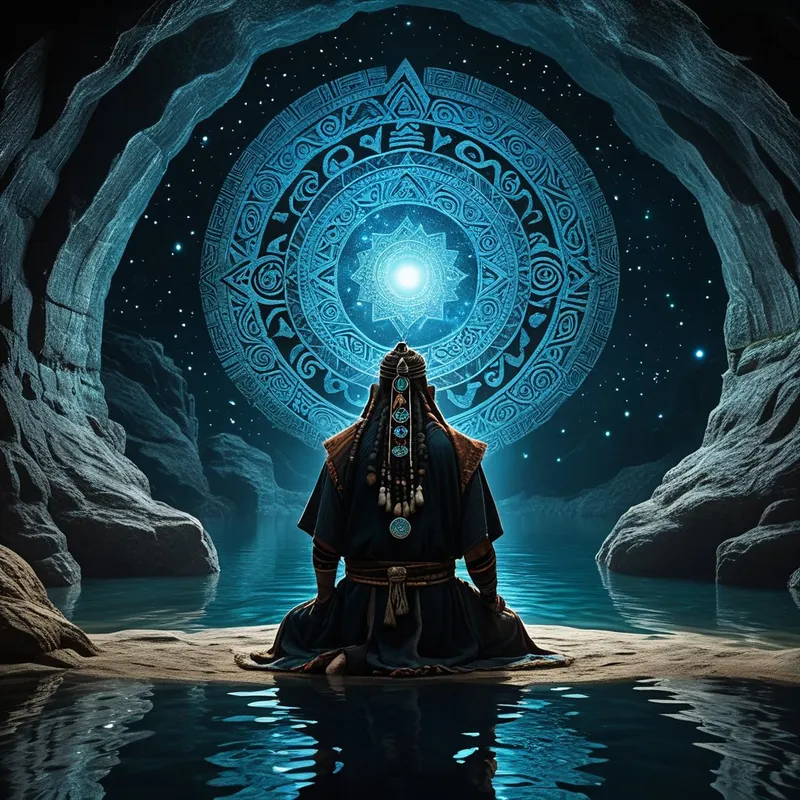
This "myth" originates not from an ancient, pre-literate tribe, but from the clinical consulting rooms and scholarly studies of the 20th century. Its bard was Carl Gustav Jung. He did not claim to invent it, but to discover its pattern—a psychological substrate revealed through the comparative study of world myths, religions, alchemical texts, and, most crucially, the dreams of his patients.
Jung observed that the symbolic material emerging from individuals who had no exposure to certain cultural traditions bore a striking, often terrifying, resemblance to the core motifs of ancient legends and sacred art from across the globe. A modern Swiss banker’s dream could contain the same transformative symbolism as a Alchemical treatise or a shamanic vision quest narrative. This suggested a common source, deeper than personal experience or cultural conditioning.
The myth was passed down not around campfires, but in leather-bound Red Books, in lecture halls, and in the intimate dialectic of analysis. Its societal function was, and remains, profoundly counter-cultural: to challenge the modern myth of the isolated, self-made individual. It posits that we are born not as blank slates, but as heirs to a vast, invisible inheritance. Its telling was a call to remember our psychic ancestry, to see the mythic dimensions of personal crisis and creativity, and to find meaning not just in our personal biography, but in our connection to the human story.
Symbolic Architecture
The symbolic architecture of this myth is the architecture of the psyche itself, imagined as a stratified landscape. The personal conscious mind is the sunlit surface. Beneath it lies the personal unconscious, a repository of forgotten memories and repressed desires. But the foundation, the bedrock, is the Collective Unconscious.
The Collective Unconscious is not a personal acquisition; it is the ancient, timeless bedrock upon which the ephemeral soil of the personal psyche rests.
The Archetypes are its primary inhabitants and governing principles. They are not concrete images, but innate predispositions to form images. The Self is the central archetype, the organizing principle of this entire inner cosmos, symbolizing the ultimate goal of psychic integration, or Individuation. The journey to the Self requires navigating other archetypal territories: confronting the Shadow, engaging with the contrasexual soul-image (the Anima in men, the Animus in women), and heeding the guidance of the Wise Old Man or Great Mother.
The sea itself symbolizes the non-rational, fluid, and generative nature of this psychic layer. It is the source of life (creativity, intuition, renewal) and potential death (psychosis, dissolution of the ego). To sail or dive into it is to engage with the transpersonal, to risk the known self for the promise of a greater one.
The Dreamer's Resonance
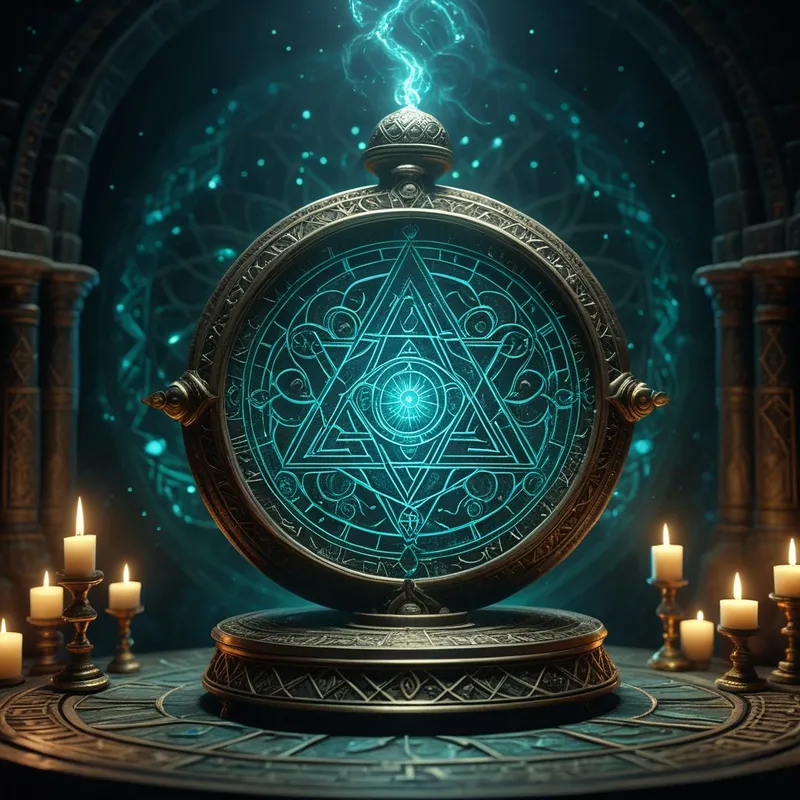
When this myth activates in the modern dreamer, it often manifests not as a single symbol, but as an overwhelming atmosphere of profound depth, antiquity, and universal significance. The dreamer may find themselves in endless subterranean libraries, vast cosmic landscapes, or at the edge of a primordial ocean.
Dreams of descending into deep caves, diving into dark lakes, or exploring the foundations of a house that reveal ancient, forgotten rooms are somatic metaphors for engaging the Collective Unconscious. The psychological process is one of de-centering. The ego, the usual protagonist of the waking drama, is humbled. The dreamer is confronted with imagery that feels eerily familiar yet utterly alien, "bigger" than their personal life. This can be terrifying (encounters with monstrous archetypal shadows) or awe-inspiring (meeting divine guides, discovering sacred spaces).
Such dreams often occur at life thresholds—midlife, after a great loss, or at the onset of a creative endeavor. They signal that a personal problem has tapped into a universal pattern. The psyche is not just working on a personal conflict; it is connecting that conflict to an archetypal drama, seeking a resolution that carries the weight of ancestral wisdom.
Alchemical Translation
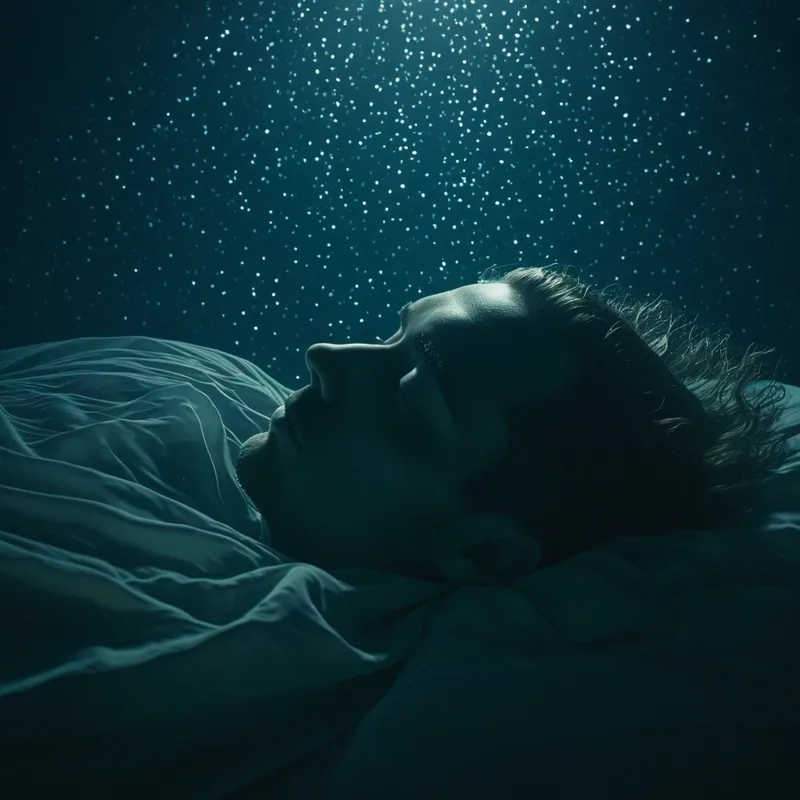
The alchemical process mirrored in this myth is the opus magnum—the great work of transforming base lead (the fragmented, ego-bound personality) into spiritual gold (the integrated Self). The Collective Unconscious is the prima materia, the chaotic, original substance from which the transformation begins.
Individuation is the alchemical vessel where the personal and the transpersonal meet, and in their meeting, the gold of the Self is slowly precipitated.
The first stage, nigredo (the blackening), is the descent. The ego must acknowledge its limitations and allow itself to be dissolved in the dark waters of the unconscious, confronting the Shadow. The rising archetypal figures—the monsters and the guides—represent the stirring of the unifying symbols that will guide the process.
The subsequent stages of albedo (whitening) and rubedo (reddening) involve a dialogue with these deep structures. Engaging with the Anima/Animus brings relatedness and soul, while encountering the archetype of the Self provides a centering, mandala-like image of wholeness. The triumph is not a conquest of the deep, but a coniunctio oppositorum—a sacred marriage between the conscious ego and the contents of the Collective Unconscious. The individual becomes an individual and a vessel for something universal. They live their personal life, but now with the profound, humbling knowledge that they are also living out age-old human patterns, contributing their unique verse to the eternal, mythic poem written in the depths of the psychic sea.
Associated Symbols
Explore related symbols from the CaleaDream lexicon: