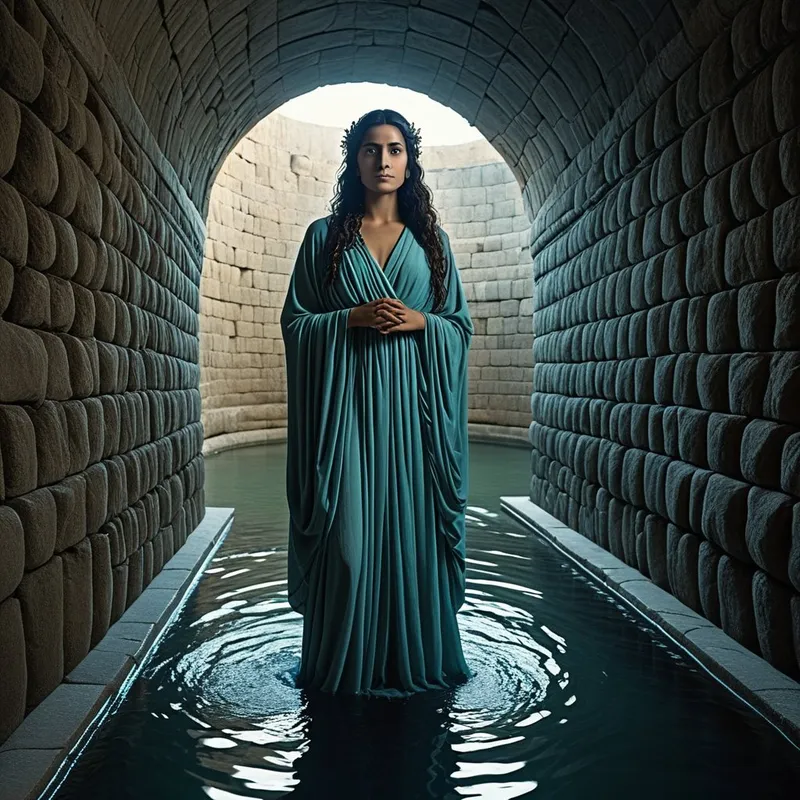
Cloacina Myth Meaning & Symbolism
The goddess of Rome's sewers, born from filth to become a deity of purification, embodying the sacred act of transforming waste into civic and psychic order.
The Tale of Cloacina
Listen, and hear the story not carved on marble temples, but whispered by the stones beneath your feet. Before the gleaming forums and the marching legions, there was the muck. Rome was a collection of hills, yes, but between them lay the valleys—marshy, stagnant, a breeding ground for miasma and malady. The Tiber swelled with more than water; it carried the refuse of a growing people, a tangible chaos threatening the very breath of the city.
From this primordial filth, from the collective dread of decay, she arose. Not with a thunderclap, but with a slow, sure recognition. They did not build her a temple first; they built her a throat. With picks and slave-sweat, they carved the great channel—the Cloaca Maxima—a stone vein to draw the sickness from the city's body. And as the first waters, thick and foul, began to flow through that man-made canyon, her presence solidified. They named her Cloacina.
She was the spirit of the flow itself. Not the filth, but the moving of the filth. The divine current that takes what is rotten, what is shameful, what is spent, and carries it away from the hearth and the senate, from the marketplace and the nursery. Her domain was the profound darkness under the bustling streets, where the unwanted things of the world above were gathered and ushered silently toward the river, and from the river to the sea, to be lost in the great, cleansing salt.
Yet, her story took a turn, a purification of its own. The old ones whispered that she was older still, that she was once Venus Cloacina. They remembered a tiny, forgotten shrine near the Forum Romanum, where a sacred spring had once bubbled, used for the ritual washing of weapons after war. The spring was gone, swallowed by the needs of the city, but its essence—the act of purification—flowed into the great drain. Cloacina thus became a paradox: the goddess of the sewer who purified, the custodian of filth who made cleanliness possible. Her small altar stood where citizens would pass, a humble reminder that the glory of Rome was built not only on conquest, but on the sacred, ongoing act of carrying away what would otherwise poison it.
Cultural Origins & Context
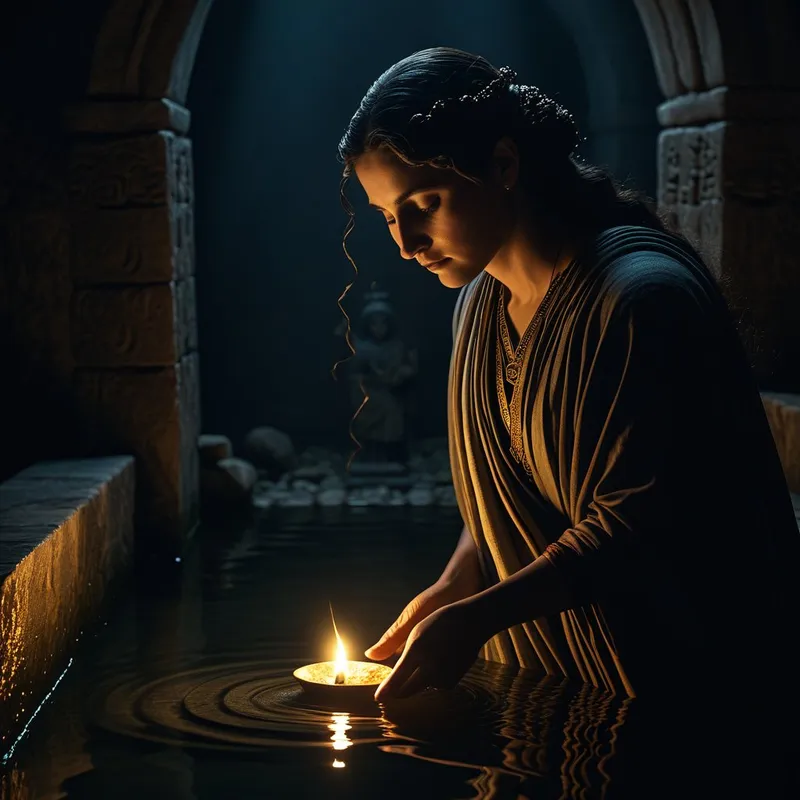
Cloacina’s myth is not one of epic poetry, but of practical theology. She emerges from the very real, pressing needs of an urban civilization. Her worship was administrative, almost civic. The Pontifices, the state priests, were likely her primary custodians, ensuring the Cloaca Maxima remained not just an engineering marvel, but a consecrated space. Her cult was a necessary magic, a spiritual technology to manage the psychological and physical pollution inherent to dense communal living.
The myth was passed down not by bards, but by engineers and city planners, by the everyday awareness that civilization requires a shadow counterpart. Every Roman knew the source of their fresh water from the aqueducts, but the wise also acknowledged the destination of their waste. Cloacina’s societal function was one of integration. She provided a divine schema for a process that was otherwise unspeakable. By deifying the sewer, Romans transformed a source of shame and disease into a sacred, orderly function. She represented the collective agreement to face, channel, and ritually manage the rejected aspects of life, thereby protecting the Pax Deorum.
Symbolic Architecture
Cloacina is the archetype of the necessary shadow. She symbolizes the psychological infrastructure required for a healthy psyche, just as the Cloaca Maxima was required for a healthy city.
The foundation of the shining city is not the marble of its forums, but the willingness to build a sacred passage for its dregs.
She represents the function of elimination as a sacred act. Psychologically, this is the process of metabolizing experience: taking in nourishment (ideas, emotions, interactions), extracting what is valuable, and consciously letting go of the psychic waste—the resentments, the outdated self-concepts, the repressed shames. Cloacina is not the repressed material itself, but the capacity to carry it away. She is the active principle of psychological drainage.
Her dual identity—as both a sewer goddess and an aspect of Venus, linked to a purifying spring—holds profound meaning. It illustrates that what is considered "filthy" and what is considered "pure" are part of a single cycle. The end of one process (decay, waste) becomes the potential for renewal (cleansing, fertility when waste reaches the fields). She is the embodiment of negredo made sacred, the black, dissolving stage that must precede any whitening or rebirth.
The Dreamer's Resonance
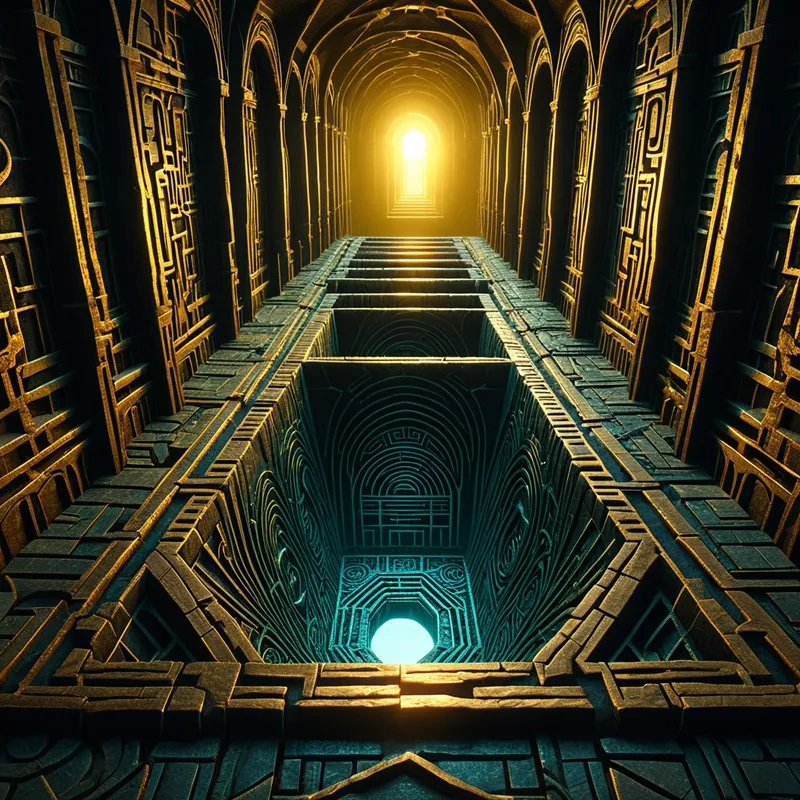
When Cloacina flows into modern dreams, she rarely appears as a goddess. Her presence is felt in the architecture of the unconscious. To dream of her is to dream of basements, of complex plumbing, of hidden drains and overflowing toilets. It is to find a beautiful, forgotten room in your house that has a slow, ominous leak from a pipe in the wall. It is the dream of walking through a pristine, modern city and suddenly noticing a gleaming, well-maintained manhole cover, and feeling a strange pull to lift it and look inside.
Somatically, this myth-pattern manifests when an individual is undergoing a process of necessary release. It may feel like a buildup of psychic toxicity—a relationship that has turned septic, a job that is a slow poison, a habit of thought that breeds internal stagnation. The body may respond with low-grade inflammation, digestive sluggishness, or skin issues, all metaphors for poor elimination. The dreamer is in the "marshland valley" of Rome, feeling the weight of unmoved, accumulating matter in their soul. The dream is the psyche’s signal that the Cloaca Maxima must be attended to—that a conscious, dedicated channel for release must be constructed.

Alchemical Translation
The individuation process modeled by Cloacina is the alchemy of civic—and psychic—sanitation. It is the work of building an internal Cloaca Maxima.
The first step is to acknowledge the marsh. The modern individual must courageously survey the low, swampy valleys of their own psyche: the repressed emotions, the unspoken grievances, the secret shames that stagnate and produce the "miasma" of depression, anxiety, or chronic irritation. This is the negredo, the blackening, the confrontation with the prima materia of one's own shadow.
The second step is the engineering feat: to consciously construct a channel. This is the disciplined practice of elimination—not repression, but directed release. It is the act of journaling to drain obsessive thoughts, of therapeutic conversation to flush out old wounds, of ritual forgiveness to carry away resentment, of setting boundaries to stop the influx of toxic dynamics. It is hard, unglamorous, foundational work.
The gold of the integrated self is refined in the dark, flowing current that carries away the dross.
Finally, the integration is recognizing the goddess in the drain. It is to sanctify the process of letting go. The individual who has done this work no longer sees their negative emotions or past failures as mere filth to be hidden. They see them as part of a sacred, ongoing cycle of intake, integration, and release. They achieve the clarity of Venus Cloacina—the understanding that true purity is not the absence of dirt, but the presence of a functioning, reverent system to handle it. The ego, like the Forum, can only stand clean and functional because it has honored and maintained its profound, hidden, and utterly essential underworld.
Associated Symbols
Explore related symbols from the CaleaDream lexicon: