The Biblical Dreamer: A Modern Guide to Scriptural Symbolism
Unlock the spiritual code of the Bible's most famous dreams. Learn how ancient scriptural principles can help you interpret your modern nights.
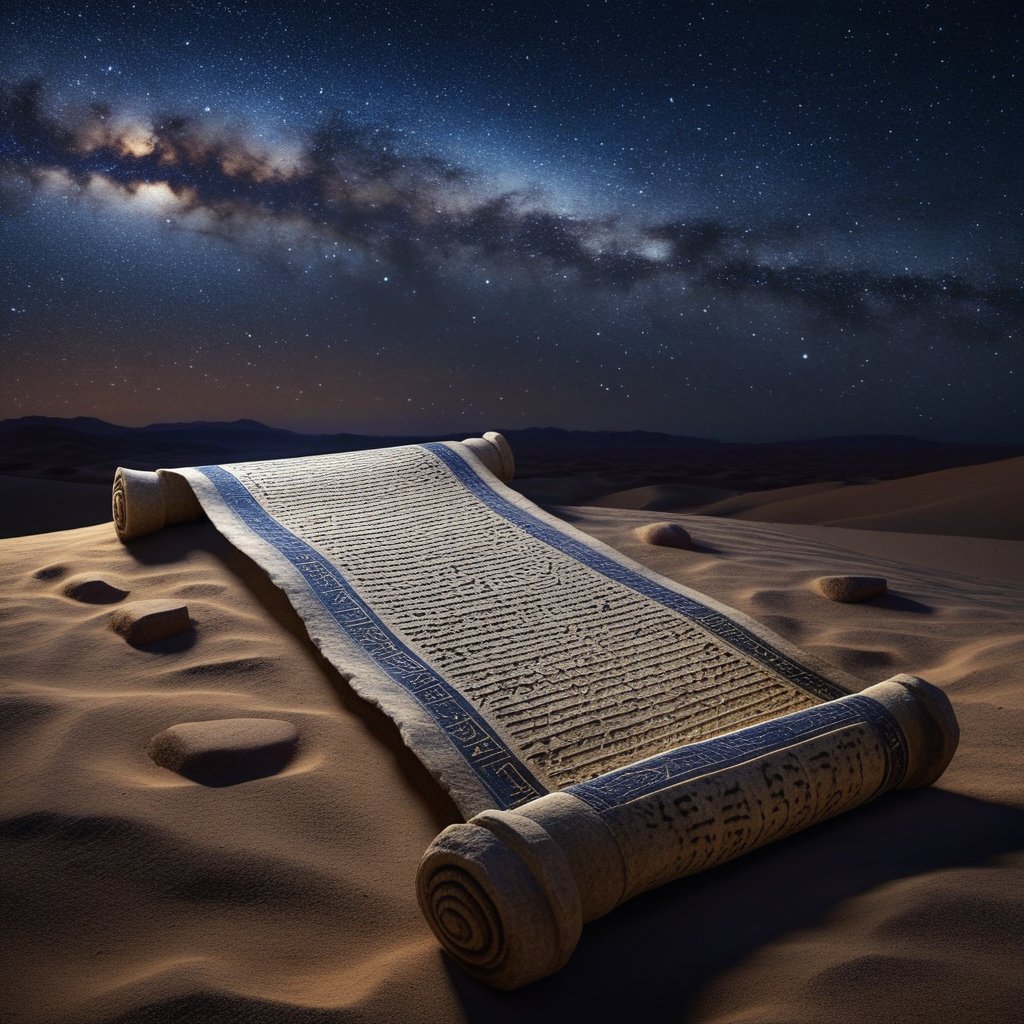
The Bible is, in many ways, a record of the nocturnal dialogue between humanity and the Divine. From Jacob’s Ladder to Joseph’s multi-colored coat, from the visions of Daniel to the warnings of the Magi, dreams are the primary medium through which God delivers prophecy, warning, and comfort.
To the modern reader, these stories can feel like distant mythology. But the Biblical Archetypes found in scripture are alive and well in our collective subconscious. Understanding the scriptural lens provides a bridge between the clinical world of psychology and the redemptive world of faith.
In this exhaustive 5,000-word analysis, we will deconstruct the “Biblical Dreamer” and teach you how to apply ancient scriptural principles to your modern dream life.
The Theory of the Word: Why God Speaks in Symbols
Why wouldn’t a Divine Being simply speak clearly? Why use the Lion, the Vine, or the Sword?
- The Bypassing of Pride: Direct instructions are often rejected by the human ego. A symbol requires participation; you must “wrestle” with the meaning, just as Jacob wrestled with the angel.
- Multidimensional Truth: A single symbol can mean ten things at once. A biblical dream is not a point; it is a sphere of meaning.
- The Seal of Authenticity: Biblical dreams often contain details that the dreamer could not have known, proving their divine origin.

Part 1: Legendary Biblical Dreamers and Their Lessons
1. Joseph: The Master of Interpretation
Joseph is the archetypal “Dreamer.” His own dreams of the Sun, Moon, and Stars bowing to him were a map of his future leadership.
- Lesson: Your dreams are often “ahead” of your current reality. Don’t be discouraged by your present “pit” if your dream has shown you the “palace.”
2. Daniel: The Decoder of Empires
Daniel understood that dreams could be political. He interpreted Nebuchadnezzar’s dream of the great statue made of different metals.
- Lesson: Dreams can provide a “Macro-Perspective” on the culture you live in. They are not just about your personal problems.
3. Jacob: The Gateway of Heaven (The Ladder)
Jacob dreamed of a Ladder reaching to heaven with angels ascending and descending.
- Lesson: The dream world is a technical “stairway.” It is the bridge between the physical and spiritual realms. Every dream is an opportunity for “Ascension.”
Part 2: Working with Biblical Symbols
| Symbol | Scriptural Meaning | Modern Application |
|---|---|---|
| The Lamb | Sacrifice / Purity | A call to let go of an old part of yourself for a higher good. |
| The Sword | Word of God / Truth | You are being called to speak clearly and cut through lies. |
| The Lion | Judah / Authority | Step into your rightful leadership and power. |
| The Winnowing Fan | Judgment / Selection | You are in a phase of “clearing the wheat from the chaff” in your life. |
| White Robes | Righteousness / New State | You are being “clothed” in a new identity or spiritual status. |

Part 3: The Three Tests of a Biblical Dream
How do you know if your dream is of “Divine Intent”?
- Alignment with Truth: A true biblical dream will never contradict the core principles of love, justice, and mercy.
- The “Weight of Glory”: There is a specific sense of Awe (Fear of the Lord) that accompanies these dreams. You feel small but seen.
- The Fruit of the Vision: Does the dream lead to peace and better fruit in your life? Or does it lead to confusion and discord? (See our Dream Incubations for guidance).

Cultural Perspectives: From Hebrew Mysticism to Modern Charisma
The Kabbalistic View: The “Sixtieth Part of Prophecy”
Jewish mystics believe that dreams are literally 1/60th of prophecy. They categorize dreams into those coming from “Below” (desires) and those coming from “Above” (angels). A dream from above is a “Letter from the King.”
The Early Church View: The Spirit and the Bride
The church fathers (like Tertullian) viewed dreams as the primary way the Holy Spirit guided the early believers. They used dreams to find hidden treasures, identify martyrs, and solve theological disputes.
How to Interpret via the Word
- Identify the Core Fruit: What is the “feeling” of the dream? Is it Joy or Judgment?
- Cross-Reference: Use the CaleaDream Database to see where the symbols appear in scripture.
- Prayer as Dialogue: Treat the dream as the start of a conversation, not the end. Ask the Divine Messenger for the second half of the message.
Connections to the CaleaDream Database
- Bible: The primary text.
- Angel: The traditional messenger.
- Altar: The place of sacrifice.
- Mountain: The place of revelation.
- Scroll: The written word.
Conclusion: The Living Word
The God of the Bible is not silent. He is shouting in the night, using the ancient language of symbols to guide your modern feet. Whether you are religious or simply curious, the biblical lens offers a depth of meaning that psychology alone cannot reach.
Tonight, as you lay your head down, remember Jacob. You might just wake up and say: “Surely the Lord is in this place, and I did not know it.”

FAQ
Q: Are nightmares always demonic in a biblical sense? A: No. Many biblical nightmares (like those of Nebuchadnezzar) were from God as a “severe mercy”—a warning to change path before it was too late.
Q: What if I dream of Jesus? A: This is called a “Christophany.” It is a profound, initiatory visitation. It usually marks the beginning of a dedicated spiritual path.
Q: Do I need to be a Christian to have biblical dreams? A: No. The Bible describes many “outsiders” (Pharaoh, the Magi, Abimelech) receiving dreams from the Divine. The spirit world doesn’t check your membership card; it checks your Heart.
Explore the cross-cultural patterns of the soul in our Articles Index.